The Vivo X200T punches well above its weight class, thanks to the MediaTek Dimensity 9400+ chipset and a generous 6,200mAh battery
The primary Zeiss camera is excellent, but the ultra-wide and telephoto lenses can be inconsistent, especially in fast-moving or low-light situations.
Priced at ₹59,999, the X200T is polished and premium, but squeezed uncomfortably between the OnePlus 15R and Vivo X300.
Vivo X200T Review: An X300 Series Lurking In The Shadows
The X200T is trying to be an X300 Pro without the bells and whistles, but with the same heart and soul. It’s got flagship cameras, a premium build, and the latest software, a powerful chipset, yet it comes at a much more affordable price point

Vivo X200T
Summary
Advertisement
In all but name, the Vivo X200T is an X300 Series smartphone lurking in the shadows. Yes, Vivo decided that, after launching its flagship smartphones, the X300 and X300 Pro, it would launch a mid-range smartphone. The Vivo X200T, priced at ₹59,999 (starting price), sits between the V70 Elite and the X300.
It’s an odd place to be, but does the X200T do enough on its own to stand out in a crowded smartphone line-up for the company? By crowded, I mean smartphones with relatively small price differences that you have to see them in person to really distinguish one from the other (besides the obvious design differences, that is).
The X200T is trying to be an X300 Pro without the bells and whistles, but with the same heart and soul. It’s got flagship cameras, a premium build, and the latest software, a powerful chipset, yet it comes at a much more affordable price point.
Advertisement
Can it outshine its rivals in this price range, like the OnePlus 15R, is the big question. With a starting price of ₹59,999 (12GB + 25GB) and a 12GB + 512GB offering at ₹69,999, it is getting dangerously close to flagship-level. The Oppo Find X9, Vivo X300, and OnePlus 15 are all within reach. In such a competitive market, does the X200T do enough to stand out? Read on to find out the answer!
Does it make sense?
As I said above, the X200T should have been an X300 Series model. Nonetheless, this smartphone sits nearly within Vivo’s portfolio, but uncomfortably close to some competitors’ flagship models.
The X200T is what some call a ‘sub-flagship’ and features a 6.67-inch AMOLED screen with a 120Hz refresh rate and a peak brightness of 5,000 nits. It has a 6,200mAh battery (with 90W fast charging) and is powered by the MediaTek Dimensity 9400+ chipset. It runs on OriginOS 6 (based on Android 16). On the back is a triple-camera setup. It includes a 50MP primary camera, a 50MP ultra-wide-angle lens and a 50MP telephoto sensor (with 3x optical zoom). Finally, there is a 32MP front-facing camera.
Advertisement
On paper, the smartphone is great, despite the slightly bloated price. As for the price, we really cannot blame Vivo here. Every manufacturer is launching smartphones at higher prices than last year. DRAM prices have really shot up, thanks to data centres and all things artificial intelligence, and it's the consumers who are severely losing out.
I’ve been using the X200T for a couple of weeks now and, to be honest, I’ve been largely impressed. The X200T has a good in-hand feel, a design that isn’t flashy but still screams premium, and software on par with some of the best, and performance that will surprise you daily. It’s just that the display feels like a compromise, and the cameras are a hit or miss.

What I Liked
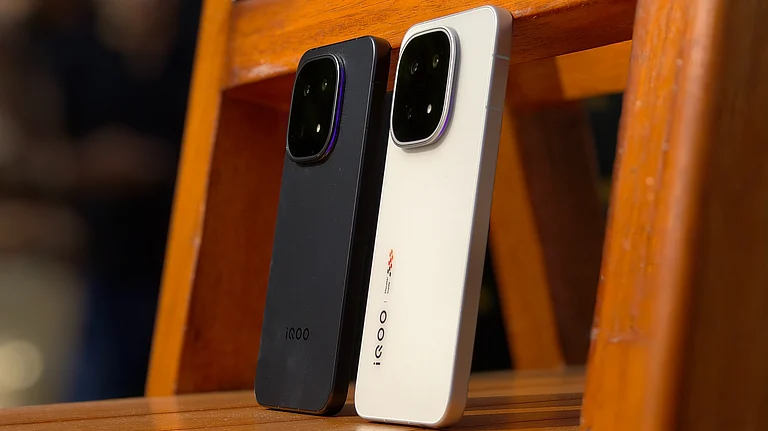
Design and in-hand feel: The fact that it is so similar to its pricier siblings is a good thing, at least in my opinion. It’s got the same circular camera module (with Zeiss branding) and is slightly heftier, which makes for a good in-hand grip. It measures 7.9mm in thickness and weighs 203g. The rear panel curves at the edges, further enhancing the smartphone's premium stature. The final touches are the matte-metal frame.
Advertisement
Performance: Speedy. That’s one way to describe it. The smartphone flies through daily tasks without lag. It’s a combination of a well-optimised software and chipset that allows the smartphone to perform like no other. You’ve got to realise this is a gaming smartphone, and try to play the latest games. But for texting, YouTube, multitasking and even AI, it’ll run like a dream machine.
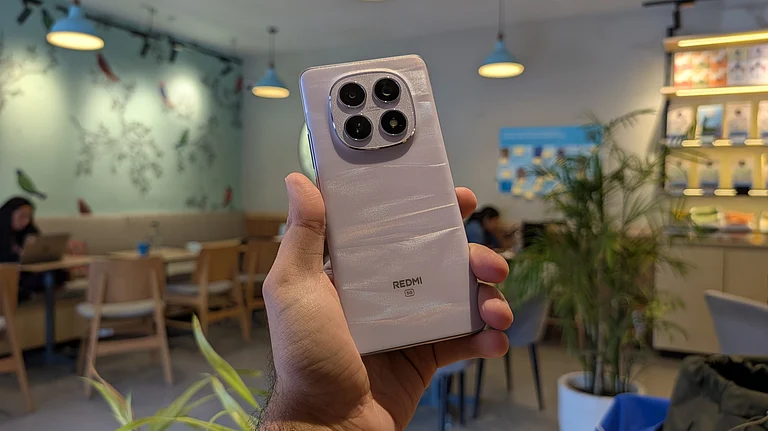
Battery life: Another area where I was genuinely impressed was with its battery life. That 6,200mAh battery proved to be plenty. It’ll easily last a day and a half for casual users. For mid-to-heavy users, like myself, it will last comfortably until you hit the sack.
With support for 90W wired fast charging, the smartphone can go from dead to fully charged in just under an hour (around 50-55 minutes). The X200T also supports 40W wireless charging, which is something I am always on board with!
Advertisement

That primary camera: For the past couple of years, Vivo has been all about its cameras, no matter which smartphone it launches. The 50MP primary camera, powered by Zeiss, proves to be a winner. The resulting photos come with plenty of details, true-to-life colours, good white balance, and handle Indian skin tones better than most others. Even low-light photos prove to be a winner. There isn’t excessive noise, a nd the brightness isn’t cranked up beyond reason.
Software: I just have to thank the team at Vivo for listening to feedback from us, journalists, and consumers alike. The software is a far cry from what it was in the past. It’s way cleaner, more optimised, has lots of customisation options, and has minimal bloatware. I like the software on Vivo’s flagship X-Series smartphones.
What could have been better
The display: The 6.67-inch AMOLED display is good for media consumption and gaming. It’s got slim bezels, and so you get a very immersive experience. With a 1.5K resolution, you’re good to go to binge-watch sports or play hours of Call of Duty: Mobile. The only problem is with the choice of panel. It supports only 60Hz or 120Hz, with preset modes, and doesn’t go below. Yes, you can choose to switch automatically, but you are missing out compared to the displays on some other smartphones.
The ultra-wide and telephoto sensors: Despite being a 50MP ultra-wide-angle lens, you do notice a slight drop in image quality compared to the primary lens. Colours can seem a bit inconsistent, despite retaining considerable detail. If you’re taking images in challenging conditions, then you might just end up with a few unusable shots. I took the smartphone to the Red Bull Moto Jam, and despite being largely impressed, a few fast-moving images had come out blurry, and wide-angle shots weren’t very crisp when zoomed in.
I take a large number of portraits, and I noticed that the edge detection is just a fraction of a step behind what I noticed on the Vivo X300. That’s my only criticism of the otherwise fantastic telephoto lens.
Verdict: Is this phone worthy of being in Vivo’s line-up?
What Vivo has done with the X200T is quite commendable. They’ve got a well-rounded smartphone that does feel like a true flagship, despite my criticisms above. The problem is with the naming convention. This is an X300 Series smartphone in all but name. I’ve been asked this question a number of times, and yes, customers are confused.
Despite saying that, the smartphone, at a starting price of ₹59,999, does hold its own. It’s got powerful performance, a great primary camera, commendable battery life and a build that screams premium. OriginOS 6 is clean and fluid.
Ultimately, would you want to spend a little bit extra and get the X300 instead? The answer is yes. Would you want to spend less and maybe get the OnePlus 15R? The answer is also yes. Vivo has sandwiched the X200T at an uncomfortable price point in the market. It’s a little bit of neither here nor there.
With that said, the X200T does outshine most smartphones at this price range, but falls just short of justifying its price point.