India's fine jewellery market is undergoing a profound transformation. For decades, jewellery purchasing was largely driven by weddings, gifting occasions and generational wealth preservation. Today, however, a new consumer is reshaping the category, one who views jewellery not as a ceremonial purchase, but as an extension of personal identity.
The New Jewellery Consumer Is Rewriting The Rules - Milo Jewels Is Building For Her
Milo Jewels' growth reflects this broader market evolution. Through contemporary design, lab-grown diamond expertise and an omnichannel retail strategy, the brand is positioning itself within one of the most significant shifts the Indian jewellery industry has witnessed in recent years.

Bhavya Shah - Founder, Milo Jewels
Sponsored Content
Advertisement
This shift is creating opportunities for brands that understand how aspiration, accessibility and modern consumer values are converging. Among them is Mumbai-based lab-grown diamond jewellery brand Milo Jewels, founded by Bhavya Shah, which has built its business around the evolving motivations of India's next-generation jewellery buyer.
The Rise of the Self-Purchasing Consumer
One of the most significant changes within the category is the emergence of the self-purchasing woman.
Milo's core customer is urban, educated, financially independent and increasingly intentional about her purchases. Unlike previous generations, whose jewellery acquisitions were often tied to gifting occasions or family milestones, today's consumer is buying jewellery for herself, as a reflection of personal style, achievement and self-expression.
This behavioural shift is influencing every aspect of the industry, from product design and retail experiences to communication strategies and pricing models.
Equally important is the rise of the informed consumer. Today's buyer wants to understand provenance, production processes and value. Transparency is no longer a differentiator; it has become an expectation.
Advertisement
Why Lab-Grown Diamonds Are Finding Wider Acceptance
The growing acceptance of lab-grown diamonds reflects broader changes in consumer priorities.
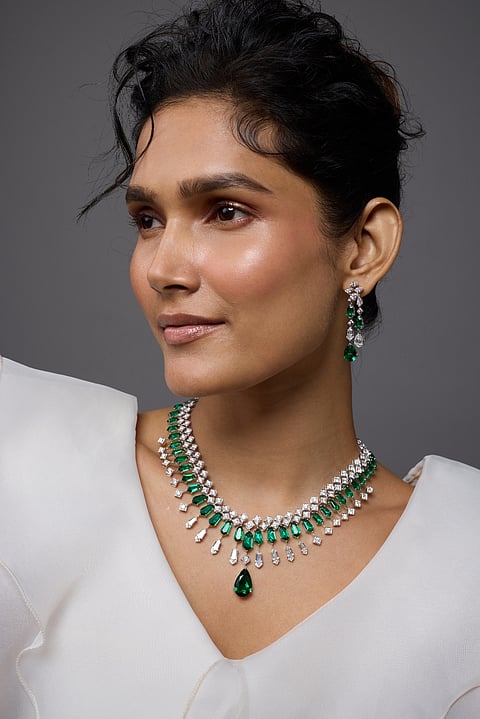
For younger buyers, purchasing decisions increasingly extend beyond ownership to include traceability, sustainability, quality and value. Lab-grown diamonds offer the same physical, chemical and optical properties as mined diamonds while providing greater accessibility and transparency.
This has opened the category to consumers who may have previously viewed fine diamond jewellery as aspirational but financially out of reach.
For Milo Jewels, the ₹50,000 to ₹3 lakh segment represents a particularly compelling opportunity—where luxury remains aspirational while becoming significantly more attainable. The result is a customer who is informed, confident and increasingly willing to challenge traditional definitions of value.
As awareness continues to grow, lab-grown diamonds are steadily moving from alternative consideration to mainstream choice among urban Indian consumers.
Building a Brand Around Everyday Luxury
The shift towards self-purchase is also influencing what consumers choose to buy.
Advertisement
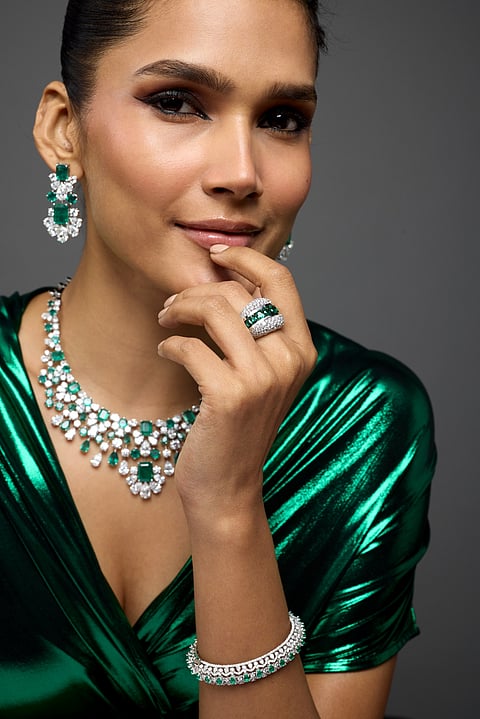
At Milo Jewels, pendants, earrings and rings consistently outperform other categories, reflecting growing demand for versatile fine jewellery designed for everyday wear rather than occasional use.
Consumers are increasingly prioritising design relevance, wearability and personal expression over conventional measures such as carat size alone. Jewellery is becoming part of daily styling rather than something reserved for special occasions.
This mindset is reflected across Milo's best-selling collections, where individuality, versatility and understated elegance consistently drive consumer preference.
Trust as a Competitive Advantage
In a category built on confidence and credibility, supply chain transparency is emerging as a critical differentiator.
Milo Jewels sources its lab-grown diamonds directly from Nouveau Diamonds, its manufacturing facility in Navsari, Gujarat. This vertically integrated model provides visibility across the value chain, from diamond creation to finished jewellery, while strengthening traceability, quality assurance and pricing efficiency.
As consumers increasingly seek clarity around sourcing and production, such integration enables brands to offer a level of transparency that is becoming increasingly influential in purchase decisions.
Advertisement
For Milo, manufacturing is not simply an operational advantage; it is central to the brand's proposition of trust, consistency and accountability.
The Omnichannel Future of Jewellery Retail
Consumer behaviour is also redefining how jewellery is discovered and purchased.
While Milo Jewels has established a physical presence across Kemps Corner, Bandra and Borivali, the customer journey increasingly begins online. Consumers research extensively before entering a showroom, arriving informed about products, pricing and category dynamics.
This convergence of digital discovery and physical experience is rapidly becoming the industry's dominant retail model. Consumers seek the convenience of online exploration while continuing to value the reassurance of an in-person purchase experience.
Brands that successfully integrate both worlds will be best positioned to capture the next phase of growth.
The Industry's Next Chapter
The future of India's jewellery market will be shaped as much by evolving consumer behaviour as by product innovation.
As younger buyers prioritise transparency, intentional purchasing and personal expression, longstanding assumptions about how and why jewellery is purchased are being challenged. The industry's growth story is no longer defined solely by weddings and inheritance; it is increasingly driven by individuality, accessibility and informed choice.
Advertisement
Milo Jewels' growth reflects this broader market evolution. Through contemporary design, vertically integrated sourcing, lab-grown diamond expertise and an omnichannel retail strategy, the brand is positioning itself within one of the most significant shifts the Indian jewellery industry has witnessed in recent years.
The question is no longer whether consumer behaviour is changing. The question is which brands are prepared to evolve alongside it.
Disclaimer: This is a sponsored article. All possible measures have been taken to ensure accuracy, reliability, timeliness and authenticity of the information; however OutlookBusiness.com does not take any liability for the same. Using of any information provided in the article is solely at the viewers’ discretion.