Energy leaders from 54 countries met in Paris.
IEA family now covers over 80% global energy use.
Global energy demand rose 2.2% in 2024, report says.
IEA Meeting Strengthens Global Energy Cooperation Amid Rising Energy Demand
IEA’s expanding global energy role backed by 54 nations

IEA Ministerial Meeting
Summary
Advertisement
Global energy leaders from 54 countries met in Paris for a two day meeting that conclude on February 19 for the International Energy Agency’s Ministerial Meeting. This affirmed the IEA’s central role in international cooperation to address the major energy challenges and opportunities facing the world.
“These two days in Paris have reaffirmed how essential energy is to our daily lives – it is the invisible driving force behind everything we do. Under the umbrella of knowledge of the International Energy Agency, we have once again seen that international cooperation is key,” Deputy Prime Minister Sophie Hermans of the Netherlands, who chaired the Ministerial, stated in the news release, adding that their priority includes secure, affordable and sustainable energy – and resilient systems that can endure in an uncertain world.
“This Ministerial Meeting, our largest ever, affirmed the immense value of the IEA at a moment when global energy demand is rising and the challenges facing the energy system are intensifying. In this context, our wide range of objective data and analysis is more important than ever,” IEA Executive Director Fatih Birol mentioned in the news release.
Advertisement
“In a strong step forward for global energy governance, key countries such as Brazil, Colombia, India and Viet Nam are strengthening their ties with the IEA. This puts the IEA Family’s share of global energy use at more than 80%, up from less than 40% ten years ago. With major energy issues high on the international agenda, we stand ready to support governments with the insights they need to plan for the future, helping leaders deliver on their goals of ensuring greater energy security, affordability and sustainability,” Birol added.
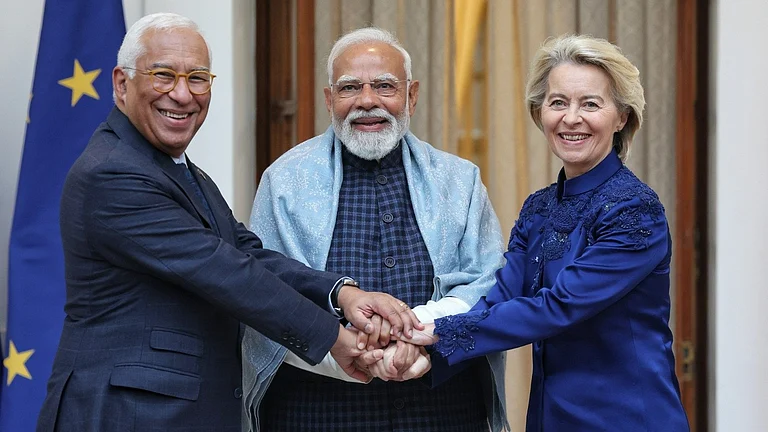
Broader Industry Participation Observed
The two-day event saw participation from top executives from 55 companies, with a combined market capitalisation of $14trn, as well as leaders from a range of intergovernmental organisations, also participated.
At the Ministerial, IEA Member governments unanimously agreed to move ahead on building deeper institutional ties with Brazil, Colombia, India and Viet Nam – and to expanded cooperation on critical minerals through the IEA’s Critical Minerals Security Programme.
Advertisement
Energy Transition Remains a Priority
Despite recent moves by US to remove climate priorities from the IEA’s agenda, ministers indicated a strong support for decarbonisation efforts aligned with global climate goals. According to IEA’s report titled ‘Global Energy Review 2025’, global energy demand grew by 2.2% in 2024– faster than the average rate over the past decade. Demand for all fuels and technologies expanded in 2024. The increase was led by the power sector as electricity demand surged by 4.3%, well above the 3.2% growth in global GDP, driven by record temperatures, electrification and digitalisation. Renewables accounted for the largest share of the growth in global energy supply (38%), followed by natural gas (28%), coal (15%), oil (11%) and nuclear (8%).
Meanwhile, another June 2025 report by the World Economic Forum stated that Clean energy investment grew to over $2trn – double the 2020 levels, but well below the $5.6trn needed annually through 2030. The WEF report added amid rising disruption, energy transition progress remains uneven, necessitating adaptive strategies, targeted investment and redefined energy security.
Advertisement