The Shri Ram Janmabhoomi Teerth Kshetra Trust is preparing for its biggest administrative overhaul since it was formed in 2020. The trust plans to appoint a full-time CEO and introduce a corporate-style management structure to improve accountability, transparency and operational efficiency following a donation theft controversy.
Ram Temple Trust To Get Corporate-Style Overhaul, CEO Post On Cards
To enable the appointment, the trust is proposing amendments to its bylaws. The proposed changes, currently being drafted, will formally create the post of CEO, redefine the trust's administrative and financial framework and establish a stronger supervisory structure

Ram Mandir
Advertisement
To enable the appointment, the trust is proposing amendments to its bylaws. The proposed changes, currently being drafted, will formally create the post of CEO, redefine the trust's administrative and financial framework and establish a stronger supervisory structure.
Trust treasurer Govind Dev Giri has discussed the proposed amendments with senior Supreme Court advocate and trustee K Parasaran, who had drafted the trust's original bylaws when it was constituted in February 2020, according to a Moneycontrol report. Parasaran has already begun incorporating the required changes.
The proposals are expected to be placed before the trust's executive committee meeting in Ayodhya on July 22, where the appointment of new trustees to vacant positions is also likely to be discussed.
The trust has decided that the CEO will not be a serving IAS officer, in order to preserve the temple's institutional independence. Instead, a retired IAS officer or a person with equivalent administrative experience will be appointed. A three-member committee has been tasked with submitting a panel of three names before the July 22 meeting, along with a detailed blueprint defining the CEO's powers and responsibilities.
Advertisement
Administration To Be Restructured Like A Corporation
Trust officials said the temple's administration is being redesigned along the lines of a multinational corporation. Under the proposed structure, the trust chairman will remain the highest authority, while the CEO will head the executive administration. Engineers, finance professionals and other experts will work under the CEO, who will oversee a workforce of around 1,500 to 2,000 salaried employees.
Unlike the existing arrangement, in which general secretary Champat Rai and trustee Dr Anil Mishra have served without remuneration, the CEO will receive a fixed salary. The trust also plans to make its functioning more transparent by regularly sharing updates on its activities and financial management with devotees.
Giri reportedly said the donation theft case had exposed the need for professional management. "When the trust was formed, we did not realise that professional management would eventually become necessary. The donation theft incident made us feel the need for it. The CEO will be accountable to the trust and not to the government. Therefore, a retired IAS officer or a person with equivalent qualifications will be appointed to this post," Giri said as per the report.
Advertisement
A senior office-bearer of the trust told the publication that the bylaw amendments were essential before a CEO could be appointed. "For appointment of the Chief Executive Officer and to make administrative and financial changes in the trust, its bylaws have to be amended. The trust is reviewing its administrative and financial framework after the SIT's preliminary findings exposed serious procedural lapses in the cash-counting system. The objective is to strengthen accountability, tighten oversight and prevent any recurrence of such incidents," the office-bearer reportedly said.
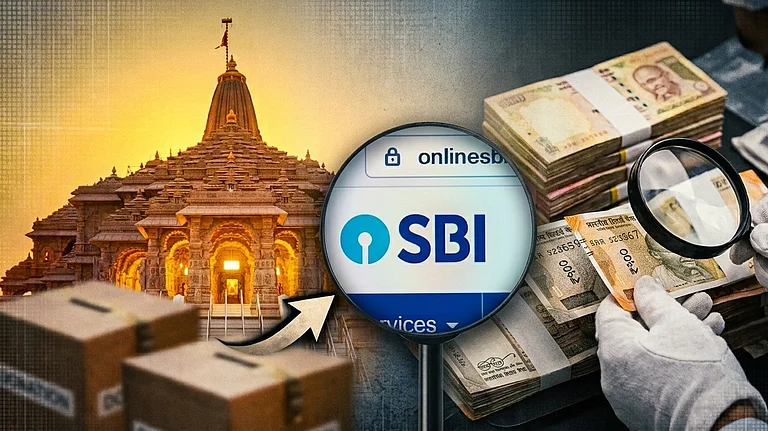
Notably, a meeting on July 6 concluded that stronger day-to-day monitoring of temple affairs had become necessary. Except for two trustees, most members reside outside Ayodhya and visit only periodically, making a full-time executive indispensable.
The CEO's immediate priorities will include implementing the recommendations of the Special Investigation Team probing the donation theft case, strengthening internal financial controls, deploying AI-enabled surveillance and facial recognition systems, and overseeing round-the-clock operations at the temple.
Advertisement
The restructuring follows observations made during the SIT probe and an audit of the trust's finances. The audit found that the trust incurred expenditure of more than ₹514 crore during the 2025-26 financial year, but several expenditure heads lacked detailed documentation. The audit flagged spending on security, travel, welfare and special events without adequate supporting records.
The trust also reviewed its financial position during the July 6 meeting. It disclosed that the temple has received 32 kg of gold and 1,518 kg of silver in donations since construction of the Ram Temple began. The silver is refined into 99.99% purity bars by the Security Printing and Minting Corporation of India and stored in bank lockers.