Dutch retailers have paused sales of Meta’s Ray-Ban smart glasses over privacy concerns.
Meta says its recording light and anti-tampering features prevent covert filming.
Privacy groups and regulators question whether those safeguards are enough.
Meta’s Ray-Ban Smart Glasses Under Fire: Can Their Recording Light Prevent Secret Filming?
Meta’s Ray-Ban smart glasses are facing privacy scrutiny in the Netherlands, raising questions over whether their recording light and anti-tampering features can prevent covert filming

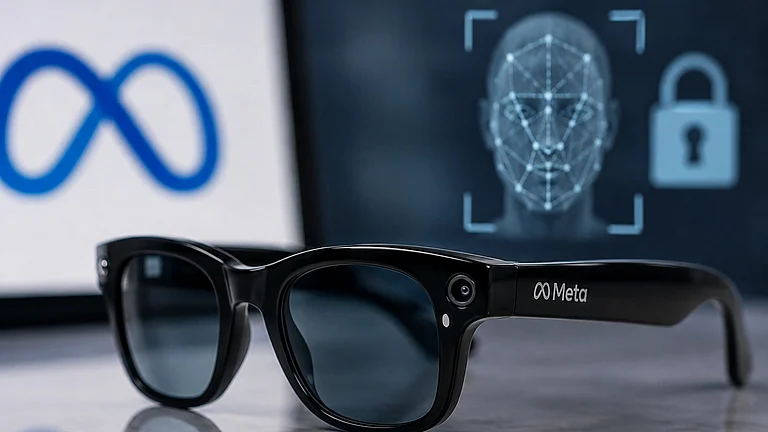
AI Generated Image
Summary
Advertisement
Meta’s Ray-Ban smart glasses are facing growing scrutiny in the Netherlands after eyewear retailer Hans Anders suspended sales of the glasses in the Netherlands and Belgium. Dutch online retailer Wehkamp has also paused sales, amid growing concerns over the use of camera-equipped glasses to record people without their knowledge.
The controversy has put the spotlight on one feature Meta has repeatedly pointed to as a privacy safeguard: a light on the front of the glasses that flashes when the camera is recording. Meta also says the camera is designed to stop working if someone tries to cover or tamper with the light.
But privacy groups and regulators argue that these measures may not be enough. So, how does the recording safeguard work, and why is it still facing questions?
How The Recording Light Works
Ray-Ban Meta glasses look much like conventional eyewear but have cameras and microphones built into their frames. They allow users to take photos and videos hands-free, including through voice commands.
Advertisement
Meta says a capture LED on the glasses lights up when a photo or video is being recorded. The company says the light is designed to alert people nearby that the camera is in use.
On its responsible-innovation page, Meta says the capture LED activates when users take photos or record videos, while also advising users to respect the privacy of people around them and seek permission before capturing them.
The company has also defended the indicator against criticism over covert recording. A Meta spokesperson told Reuters: “Every pair with a camera has a bright light on the front that blinks when you take a photo or video.” The company said the light cannot be turned off.
The recording light is therefore central to Meta’s argument that people nearby should be able to tell when the glasses are being used to capture footage.
Advertisement
Why The Light Is Under Scrutiny
The concern is whether people can actually notice the light when they are being recorded.
The Dutch Data Protection Authority, or AP, says camera glasses can make it difficult for other people to know when they are being filmed. Its guidance notes that the white recording lights on such glasses may not be sufficiently noticeable and can be manipulated.
Consumer rights group Consumentenbond has also tested Meta’s glasses. In September, it said the LED was sometimes difficult to see outdoors, particularly from a distance. It also said it found a way to cover the indicator with a specially designed sticker while allowing the glasses to continue recording.
That finding is significant because it challenges the assumption that a visible recording light necessarily means the person being filmed will know that recording is taking place.
The issue is particularly relevant for smart glasses because the camera is built into something that looks like ordinary eyewear. Unlike someone holding up a smartphone to take a photograph, a person wearing the glasses does not have to visibly point a device at anyone.
Advertisement

What If Someone Covers The Light?
Meta says the glasses are designed to prevent precisely this kind of misuse.
The company says the camera will not allow a photo or video to be taken if the recording LED is covered. Its responsible-innovation guidance says Meta has features designed to prevent capture when the light is blocked, while its broader explanation says deliberately covering the LED goes against its guidelines.
Meta has also said it uses tamper detection technology to stop people from disabling the indicator while continuing to record.
But Consumentenbond says its testing found that the safeguard could be circumvented in some circumstances. The organisation said a specially designed sticker could cover the LED without triggering the camera shutdown, even after software updates intended to prevent manipulation. It said its most recent test was conducted on September 2 using version 127 of Meta's software.
Advertisement
The findings do not establish that every pair of Meta glasses can be easily converted into a covert recording device. They do, however, explain why privacy groups are questioning whether a recording light and software-based tamper detection are sufficient safeguards in real-world use.
Where Privacy Rules Come In
The debate is not only about whether the glasses have a recording light. It is also about what happens to the footage and whether people have agreed to be recorded.
The Dutch AP says images in which people are identifiable can constitute personal data covered by privacy rules. It also says people should not secretly record others using camera glasses and that a recording light alone is not enough to meet the requirements for informing people that they are being filmed.
The regulator says the rules depend on how recordings are made and what is subsequently done with them. For purely personal or household use, a privacy-law exemption can apply in limited circumstances. But that exemption does not generally extend to putting identifiable footage of other people online or sharing it with a wider audience.
The AP has advised against using camera glasses as an everyday accessory and has also urged caution in places where people have a greater expectation of privacy, such as hospitals, courts and changing rooms. It is exploring the wider implications of AI wearables and working with other European privacy regulators on guidance for smart glasses.
Meanwhile, Consumentenbond on September 29 gave Meta two weeks to modify the glasses to comply with privacy law, saying it would take the company to court if it failed to do so.
Why The Debate Goes Beyond The Netherlands
The Netherlands is not the only place where businesses are imposing restrictions on camera-equipped glasses.
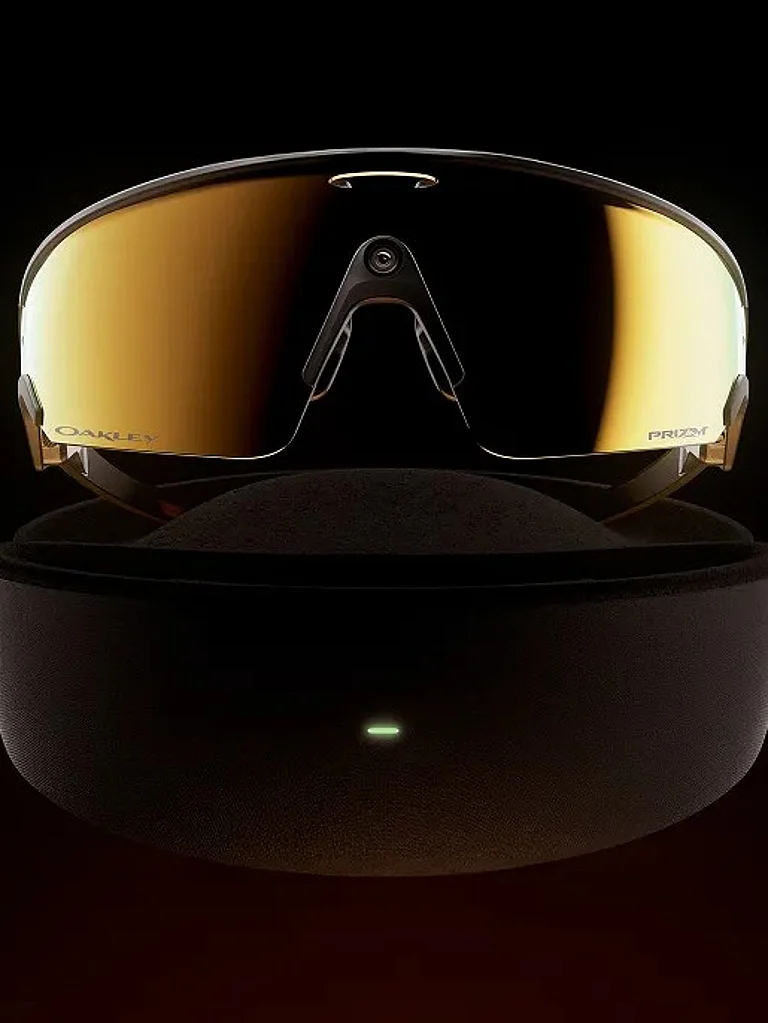
In Britain, pub chain Wetherspoons has told customers not to film other customers or employees without permission and has specifically raised concerns about Meta-style glasses. Private members' club Soho House and theatre operators including ATG Entertainment and Trafalgar Entertainment have also restricted their use.
The restrictions highlight a broader challenge for smart-glasses makers. Camera-equipped eyewear can provide the convenience of hands-free recording, but it also makes recording less conspicuous than with a conventional camera or smartphone.
That distinction is becoming increasingly important as smart glasses move from novelty devices towards everyday consumer products.
For Meta, the Dutch controversy is therefore about more than one retailer pulling a product from its shelves. The company says its recording light and anti-tampering technology provide safeguards for people around the wearer. Privacy groups and regulators, however, are questioning whether those safeguards are visible and reliable enough in everyday situations.
The answer could shape not just how Ray-Ban Meta glasses are sold and used, but also how camera-equipped wearables are regulated more broadly.