DoS centralises ISRO scientist resignations after 100+ exits
Gaganyaan, Chandrayaan-linked teams see key departures
Government moves to safeguard flagship space missions
ISRO Blocks Scientist's Resignation After More Than 100 Exit Gaganyaan, Strategic Missions
The Department of Space has withdrawn ISRO centre directors' powers to approve resignations after more than 100 scientists linked to Gaganyaan and other strategic missions reportedly left the organisation, raising concerns over talent retention and mission continuity

Summary
Advertisement
The Department of Space (DoS) has moved to stop the flow of resignations from India's flagship space programmes after between 100 and 120 scientists and engineers linked to Gaganyaan and other critical missions left the agency, issuing an internal memorandum on July 14 that strips centre directors of their authority to accept such requests and routes all exit decisions to the department itself, accroding to a Times of India (TOI) report.
While not officially disclosed by the department, the departures have come from some of Isro's most consequential centres, in which around 80 people have quit from the U R Rao Satellite Centre (URSC) alone and with at least 20 more leaving the Vikram Sarabhai Space Centre (VSSC).
Meanwhile, named departures include LVM-3 project director Victor Joseph from VSSC, the SpaDeX project director from URSC and a young bright scientist who had been part of the Chandrayaan-3 team.
Subsequently, the internal memorandum notes a growing number of resignation and voluntary retirement requests from Group 'A' scientific and technical personnel, particularly those working on flagship missions such as Gaganyaan. According to the department, the increasing attrition has started to affect the timely implementation of projects of national importance.
Advertisement
The memorandum further states that resignations and voluntary retirement requests from scientists working on Gaganyaan and other strategic missions should no longer be processed routinely. Instead, centre directors have been instructed to defer such requests until the completion of ongoing projects and forward each case along with their recommendations to the DoS for finalization.
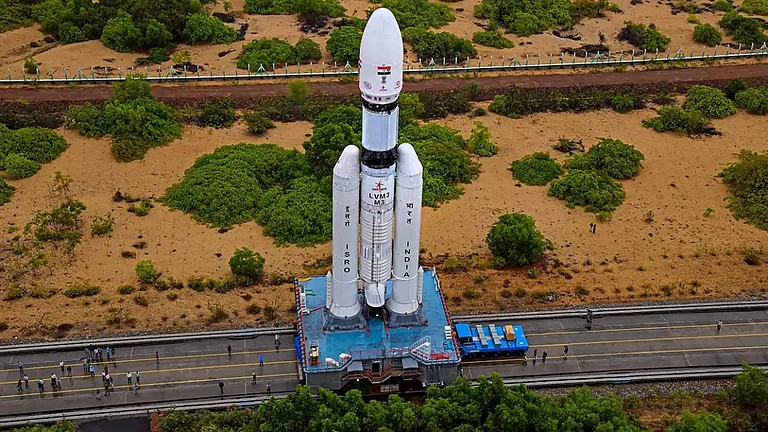
A 2020 Reform Reversed
However, the order undoes an administrative change made in 2020 that had given ISRO centre directors and heads of units the authority to accept resignation and voluntary retirement requests from Group 'A' scientific and technical personnel up to the scientist/engineer-SG level. But, now that delegation of power has been pulled back to the department level.
The ISRO Chairman V Narayanan acknowledged the recent wave of departures but said that the agency remained well-equipped to ensure that key missions stay on track. He said, employee turnover was a normal part of any organization and emphasized that the revised policy was aimed at preventing sudden disruptions to strategically important projects. According to him, responsibilities would be reassigned whenever required to ensure continuity in mission execution, he told TOI.
Advertisement
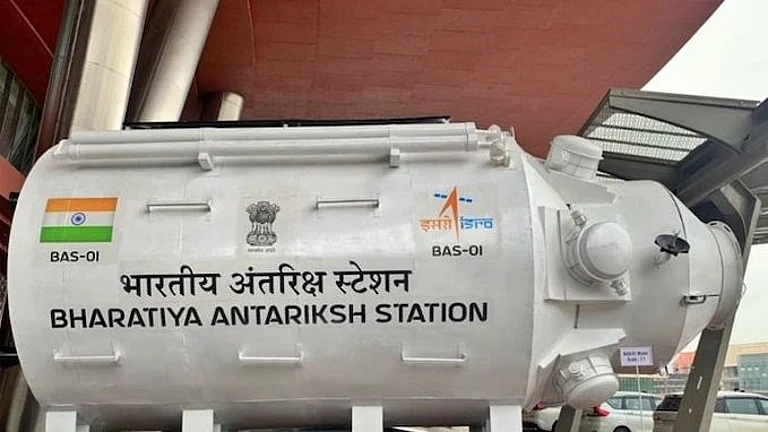
Minor Figures Yet Significant Outcomes
However, the departures are a small fragment of ISRO's total workforce of more than 14,600, but they have come from precisely the centres carrying the most critical work. URSC, from which roughly 80 have left, had 1,339 employees at the end of the last fiscal year. VSSC, where at least 20 have departed, employed 4,577. The concentration of exits among named project directors and mission scientists is what has drawn the department's intervention.
Meanwhile, staff reduction at ISRO is not new. Between 2004 and 2007, nearly half of the agency's new recruits left the organisation.
Whereas, around 700 employees resigned between 2012 and 2024. Isro's 2025-26 annual report says recruitment for roughly 1,050 scientific, technical and administrative posts is at an advanced stage, while a cadre review approved last year has regularised 466 project posts and created around 460 higher-grade positions altogether.
Advertisement