Iran’s military has been closely studying the war in Ukraine to sharpen its combat tactics, upgrade its forces and better prepare for future conflicts, according to a report published by Financial Times on April 19.
How Iran Is Reshaping Warfare With Asymmetric Tactics and AI
Iran is reshaping its war strategy using Ukraine lessons, asymmetric tactics and AI

Iran’s evolving military strategy combines asymmetric warfare tactics and artificial intelligence tools
Advertisement
The report, which analysed more than 300 Iranian military journal articles published over five years, provides a rare glimpse into the country’s internal defence thinking as it navigates an extended period of tensions and conflict with the US and Israel.
Iran Deploys Asymmetric Warfare
Asymmetric warfare is a conflict strategy where a weaker power uses unconventional tactics—such as proxy attacks, drones and cyberwarfare—to exploit the vulnerabilities of a stronger foe, avoiding direct, conventional confrontations.
Iran employs this strategy to offset US/Israeli military superiority by using low-cost, high-impact methods to raise the economic and political costs of conflict.

Tactics Target Gulf States
According to The Wall Street Journal, Iran has adopted an asymmetric strategy, targeting Arab Gulf states by disabling radar systems and other facilities critical to air defences, while also disrupting most tanker traffic through the Strait of Hormuz.
Advertisement
This approach mirrors tactics used by the Islamic Revolutionary Guard Corps, which armed proxy militias in Iraq with improvised-explosive devices that killed hundreds of US troops. Despite sustained airstrikes on missile bases and mobile launchers, Tehran continues launching dozens of missiles and drones daily, prolonging the conflict and increasing economic strain on Gulf oil exporters and the United States.
However, until April 3, it had not succeeded in downing any US and Israeli warplanes, even as state media urged citizens to capture American crew members alive.
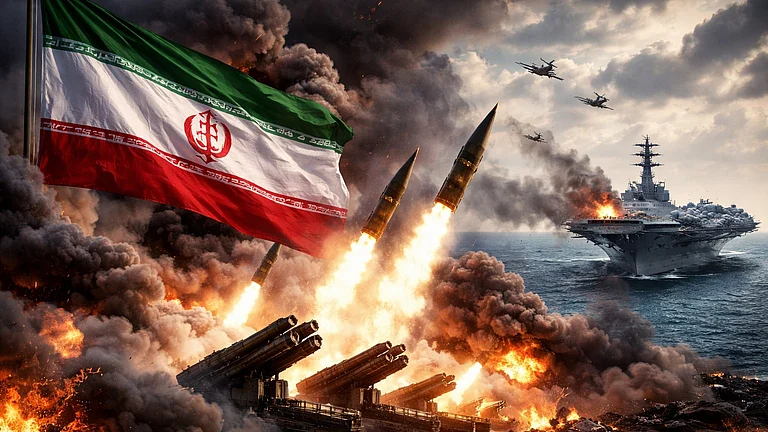
AI Role raises Concerns
According to Financial Times, artificial intelligence (AI) is having a bigger and bigger impact on the battlefield in Iran. US troops use it to process large amounts of data, find targets, and make logistics more efficient.
This makes the military more efficient, but it also puts them at serious risk, especially when it comes to bad data, unclear decision-making, and relying too much on machine recommendations in life-or-death situations.
Advertisement
The report talks about concerns related to the push for fully autonomous systems, especially in places where communication is hard, which makes people worry that humans will be taken out of important decisions.
There are still doubts about how reliable AI systems are because they still make mistakes. Ethical issues are also a big deal, with more and more people calling for limits or even bans on deadly autonomous weapons. As AI changes the way wars are fought, it is becoming more and more important for countries to work together, especially major powers and the UN.