Methane emissions remain 124mn tonnes despite rising global climate pledges.
IEA report flags major gap between commitments and real-world emissions reductions.
Cutting methane offers fast gains for climate and energy security.
Global Methane Emissions Stay High in 2025 Despite Climate Pledges, Says Report
Global methane emissions stay high despite climate pledges and growing energy risks

Gas flaring at oil and gas facility releasing methane into atmosphere
Summary
Advertisement
Methane emissions from the global energy sector remained at very high levels in 2025, totaling an estimated 124mn tonnes despite a surge in international climate pledges.
The International Energy Agency’s (IEA) Global Methane Tracker 2026 report highlighted a stark 'implementation gap' between high-level commitments and real-world action. While more than half of global oil and gas production is now covered by company targets, total fossil fuel emissions have yet to show a global decline.
The report emphasizes that tackling methane is no longer just a climate priority but a vital tool for energy security. Amid the ongoing crisis in the Middle East, which has disrupted 20% of global liquefied natural gas trade through the Strait of Hormuz, the wasted gas from leaks and flaring represents a massive lost opportunity for markets.
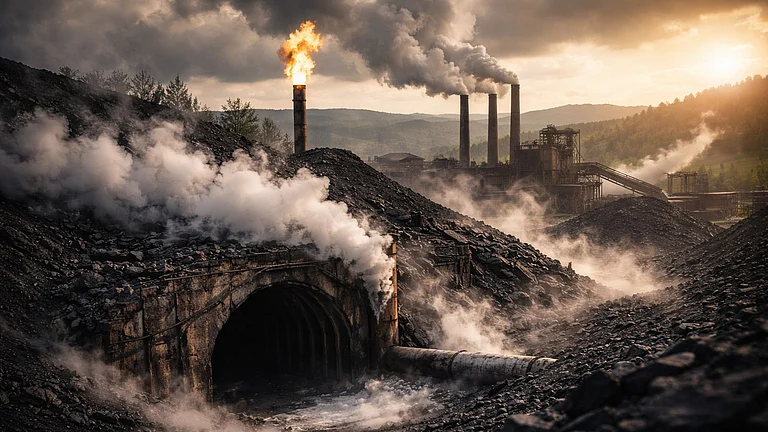
Abatement Boosts Energy Security
According to the IEA report, nearly 100 billion cubic metres (bcm) of natural gas could be recovered annually by cutting methane leaks, with another 100 bcm available if non-emergency flaring is eliminated worldwide. This combined 200 bcm is double the supply volumes currently lost to major trade route disruptions. In the immediate term, approximately 15 bcm could be brought to market quickly through "readily accessible" measures in both exporting and importing countries.
Advertisement
Technological solutions are already well-established. About 70% of fossil fuel methane emissions can be abated using existing technologies and more than 30% could be avoided at no net cost because the value of the captured gas exceeds the implementation price. China remains the largest individual emitter, followed by the United States and Russia.
Progress is emerging through stricter regulations in regions like the European Union and Canada, alongside the growing use of satellite data to detect 'super-emitting' events. However, the IEA report warns that current policies would only cut energy-related methane by 25% by 2035, falling far short of global targets. Moving from promises to action remains the critical challenge for the coming decade.
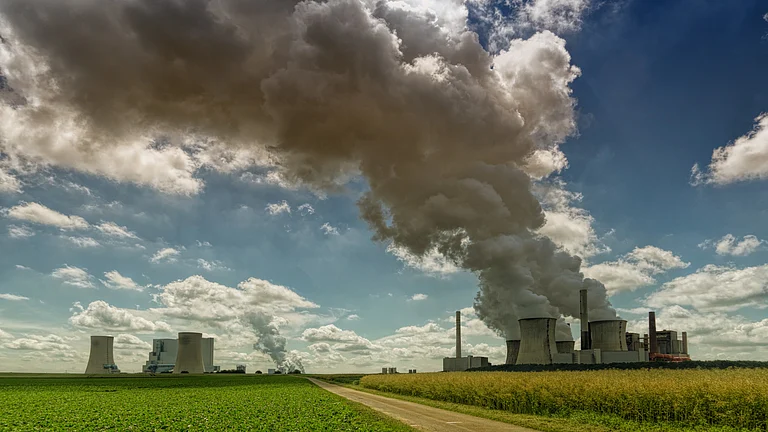
Impact of Methane and Mitigation
According to the United Nations Environment Programme (UNEP), methane is over 80 times more potent than CO2 at trapping heat over a 20-year period. It accounts for roughly 30% of global warming since pre-industrial times breaking down in 10-12 years but acting as a powerful near-term climate driver.
Advertisement
Rapid leak detection and repair (LDAR) systems are among the most cost-effective climate actions, with oil and gas mitigation delivering immediate emissions cuts globally.