The focus in the Union Budget 2026-27 on scaling manufacturing in strategic sectors, building value chain in critical minerals and rare earths will be vital enablers for the future of electric vehicles, electronics and next-generation mobility, according to industry players.
Focus On Building Value Chain In Critical Minerals In Budget Vital Enabler For EVs, Next-Gen Mobility: Industry
The focus on scaling manufacturing in strategic sectors, building domestic value chains for critical minerals

Critical Minerals In Budget Vital Enabler For EVs, Next-Gen Mobility: Industry Photo by Tom Fisk
Advertisement
Finance Minister Nirmala Sitharaman had proposed dedicated corridors in mineral-rich states like Odisha and Tamil Nadu and import duty exemption on capital goods needed for processing critical minerals to boost mining and processing activities.
“The focus on scaling manufacturing in strategic sectors, building domestic value chains for critical minerals and rare earths, and expanding semiconductor and advanced technology capabilities will be vital for the future of EVs, electronics, and next-generation mobility,” TVS Motor Company Chairman Sudarshan Venu said.

The sustained push on infrastructure, higher capital expenditure, and reforms aimed at easing business conditions will help in attracting private investment and strengthening supply-chain resilience, he noted.
Sharing similar views, Tata Technologies Ltd CEO & MD Warren Harris said, “The government's focus on rare earth permanent magnet corridors will significantly strengthen domestic supply chains critical for EVs, aerospace and advanced electronics sectors, which rely on deep engineering expertise.” He dubbed the Union Budget 2026 as “a masterclass” in structural reform, decisively positioning India as the world's preferred engine for advanced manufacturing, digital engineering, and sustainable innovation.
Advertisement

“By launching India Semiconductor Mission (ISM) 2.0 with a fortified ₹40,000-crore outlay for electronics manufacturing, the government has transitioned our ecosystem from assembly-led growth to high-value, full-stack IP and component sovereignty,” Harris said.
Mukund Vasudevan, D SKF India (Industrial) Ltd and President — India, Southeast Asia and Middle East — said reforms focused on financial access, technology adoption, and competitiveness lay the groundwork for long-term industrial strength — key for India to scale and compete alongside global players.
“Investments in freight and industrial corridors, along with logistics upgrades, will lower costs, strengthen supply chains, and make Indian manufacturing more efficient,” he added.
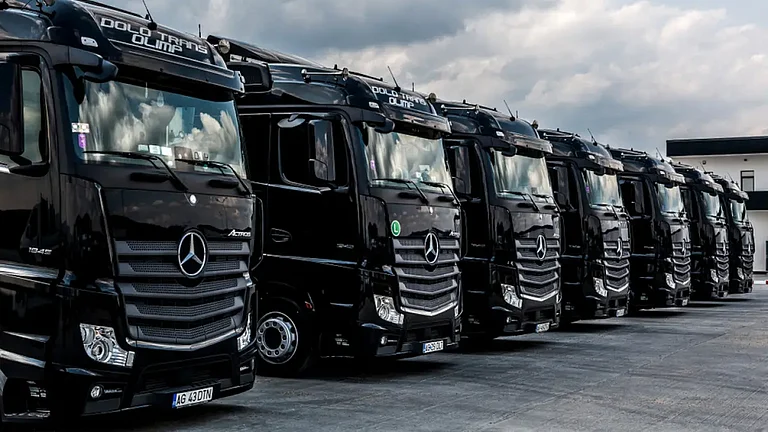
Daimler India Commercial Vehicles (DICV) CFO Alexander Schoen said, “Initiatives to scale up strategic manufacturing sectors, strengthen MSMEs, and deepen domestic capabilities in critical areas such as semiconductors, advanced materials and chemicals will further enhance competitiveness of Indian manufacturing.” Noting that the Budget is positive for the commercial vehicles (CV) industry, Schoen said the measures announced create a conducive environment for CV manufacturers to invest, innovate, and support India's transition towards a more resilient, self-reliant, and future-ready mobility ecosystem.
Advertisement