Ola Electric CEO Bhavish Aggarwal sold 3.93% of his personal stake.
The company stated the deal was a one-time, limited monetisation to repay a ₹260-crore promoter-level loan.
This comes as the firm's EV sales growth has slowed and market share gains have moderated.
What Bhavish Aggarwal’s Stake Sale Means for Ola Electric & Its Falling Share Prices
Ola Electric said the sale was done to repay a promoter-level loan of about ₹260 crore, following a sale of 0.6% from Aggarwal's personal stake, worth around ₹92 crore, just two days earlier

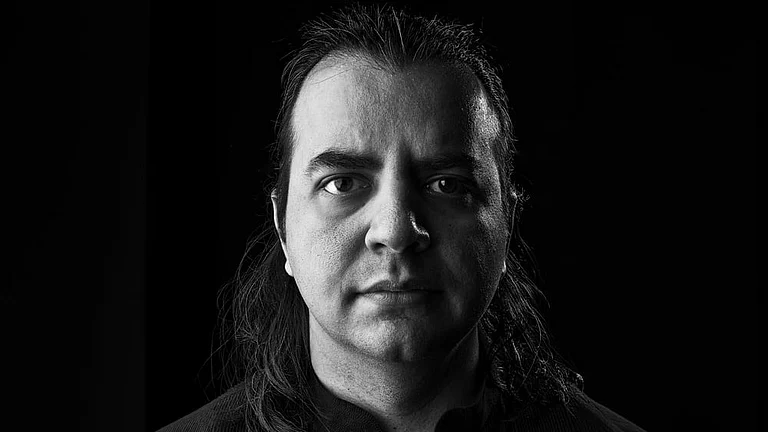
Ola Electric CEO Bhavish Aggarwal
Summary
Advertisement
Ola Electric co-founder and CEO Bhavish Aggarwal completed the sale of a 3.93% stake from his personal shareholding in the firm on December 19. The company said the sale was done to repay a promoter-level loan of about ₹260 crore. This followed a sale of 0.6% from his personal stake, worth around ₹92 crore, just two days earlier.
At that time, the company said the sale was "a one-time and limited monetisation" of Aggarwal’s shares and to release about 3.93% of promoter shares that were pledged as collateral.
Why is Bhavish Aggarwal Selling Ola Stakes
In a regulatory filing, Ola Electric said the move was aimed at removing all promoter share pledges, which can create unnecessary risk and volatility. The company added that the founder wants Ola Electric to operate with “zero pledge overhang” and fully unwind personal leverage.
Aggarwal holds 30.02% stakes of Ola Electric, as of September 2025; of that, 10.11% was pledged to lenders.
Advertisement
Ola clarified that the transaction was done entirely at the promoter’s personal level and would not affect the company’s operations, governance, or long-term strategy.

Declining Stock Valuation
After the stake sale announcement, Ola Electric’s shares hit a 52-week low on December 18, falling another 4% and extending a steep decline that has wiped out most of the stock’s post-listing gains. The latest fall was triggered by Aggarwal’s back-to-back share sales in the open market over two days, totalling well over ₹200 crore.
Though on Friday, shares of the company rose as much as 10% during intraday session. After the market closing Ola Electric shares were up 9.97% at ₹34.4 on BSE.
Since being listed at ₹91 a share in 2024, Ola Electric’s stock has only once risen above ₹133, in August 2024. It has since declined to over a third of its original value.
Advertisement
Following the Friday transaction, the promoter group continues to hold 34.6% in the firm, with no dilution of promoter control or change in long-term commitment.
Financial Woes
Bhavish Aggarwal's stake sale comes amid the significant financial challenges faced by the company. Ola Electric has reported persistent losses over the past few years and quarters.
In the quarter ended September 30, 2025, the company posted consolidated revenue of ₹690 crore, reflecting a 43% year-on-year (YoY) decline from the same period last year. The net loss for the quarter stood at ₹418 crore, narrowing slightly from ₹495 crore in Q2 of financial year 2024-25 (FY25).

But, a quarterly revenue comparison tells a different story. The electric two-wheeler maker has seen a continuous decline in revenue, with its topline falling from ₹1,214 crore in Q2 FY25 to ₹611 crore in Q4 FY25. It saw a slight reversal in subsequent three months to ₹828 crore, only to nosedive once again between July and September 2025.
Advertisement
Overall losses also widened continued due to declining sales volumes, which were down nearly 47% YoY, from 98,619 units of electric two-wheelers sold in Q2 FY25 to 52,666 units sold in Q2 FY26.

These financial challenges are also reflected in Ola Electric’s stock performance and its declining market share over the past few years.
Ola, which was once the market leader in electric two-wheelers with a 32.10% share in October 2023, saw its market share fall sharply to 11.20% over the same period two years later, according to data from the Federation of Automobile Dealers Associations. During this time, competitors have gained ground. Bajaj Auto and Ather Energy, which held market shares of 12.10% and 11.50% respectively in 2023, have since emerged as stronger players.
As of October 2025, Bajaj Auto has become the market leader with a 21.7% share, while Ather Energy holds a 19.50% share, making it the third-largest player after TVS Motor, which has a 20.50% market share.
Advertisement
These continued losses, coupled with weakening sales volumes and competitive pressures, have contributed to investor concerns and stock volatility. Despite some cost optimisation efforts and marginal operational milestones, such as positive auto EBITDA, the company continues to struggle with high operational costs, interest and depreciation relative to revenue.