ED flagged a ₹1,035 crore Africa investment lacking supporting records.
Investigators found a 40% gold stock mismatch and ₹3,000 crore trade dues under scrutiny.
ED suspects ₹600 crore siphoning through NRI-linked share manipulation transactions.
No Records, Stock Gaps, Africa Investment: ED's Fresh Findings On Rajesh Exports
Agency cites missing foreign transaction records, 40% stock mismatch and suspected share manipulation during searches in Bengaluru and Mumbai

No Records, Stock Gaps, Africa Investment: ED's Fresh Findings On Rajesh Exports
Summary
Advertisement
The Enforcement Directorate (ED) has uncovered a series of suspected financial irregularities at Rajesh Exports, including an alleged ₹1,035-crore investment in African mining assets without supporting records, a 40% mismatch in gold inventory and suspected siphoning of more than ₹600 crore through share transactions involving non-resident Indian (NRI) benamidars.
The findings emerged from search and seizure operations conducted at nine premises linked to the company in Bengaluru and Mumbai under the Foreign Exchange Management Act (FEMA), 1999. In a statement issued on Wednesday, the agency said it had seized documents and digital evidence as part of its ongoing investigation into the gold exporter.
The ED said Rajesh Exports failed to provide documentation related to several foreign transactions, including imports, exports, overseas investments and settlement of foreign trade receivables and payables, making it difficult to verify the authenticity of those transactions.
According to the agency, one of the most significant findings relates to a purported ₹1,035-crore investment in mining assets in Africa. The ED said neither contemporaneous records nor supporting documentation linked to the investment were found during the searches or subsequently furnished by the company.
Advertisement
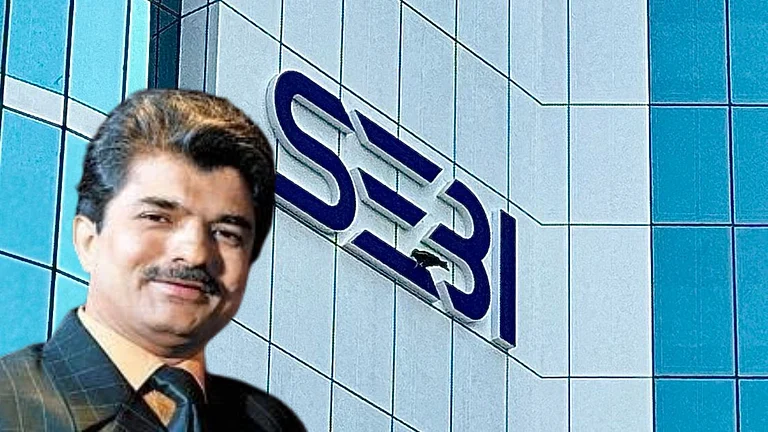
ED Flags Stock Discrepancies And Overseas Transactions
The agency also raised concerns over foreign trade receivables and payables amounting to around ₹3,000 crore. Investigators found that the company was adjusting trade dues against receivables involving entities based in the UAE and other overseas jurisdictions, transactions that are now under scrutiny.
A physical verification of inventory also revealed substantial discrepancies. According to the ED, gold stock available at company premises was nearly 40% lower than the quantity recorded in factory registers and company records.
The agency further questioned what it described as unusual business practices and governance structures within the company.
According to the ED, Rajesh Exports' Chief Financial Officer has not drawn any salary since 2020, while the Managing Director was receiving a monthly remuneration of only around ₹17,000 despite the company reporting consolidated revenues of approximately ₹7.7 lakh crore.
Advertisement
"The company's key business indicators showed significant departures from normal commercial practices," the agency said.
Suspected Share Manipulation Under Scanner
The investigation has also brought focus on certain block trades in Rajesh Exports shares.
According to the ED, some individuals linked to these transactions feature in disclosures and leaks published by the International Consortium of Investigative Journalists (ICIJ), raising concerns over possible undisclosed offshore connections.
The agency alleged that more than ₹600 crore may have been siphoned out of India through suspected share-manipulation transactions executed using NRI benamidars.
The searches, which commenced on June 23, were carried out across nine locations in Bengaluru and Mumbai. The ED said its investigation remains ongoing and additional evidence is being examined.

Scrutiny Intensifies After Sebi Action
The ED's findings come days after market regulator Sebi initiated action against Rajesh Exports and its promoter-chairman Rajesh Mehta over alleged financial irregularities.
Advertisement
Last week, Sebi alleged that the company may have overstated revenues by approximately ₹15.15 lakh crore between FY21 and FY25 and subsequently barred Rajesh Mehta and the company from accessing the securities market pending further investigation.
Rajesh Exports has denied Sebi's allegations and maintained that its reported revenues are accurate. The company has attributed the regulator's findings to what it described as a misunderstanding regarding the reporting of revenue and earnings figures of its Swiss subsidiary Valcambi.