India is evaluating Russia's Tomtor rare earth deposit with IREL.
China export curbs are accelerating India's critical minerals strategy.
IREL targets rare earth magnet manufacturing in India by 2030.
India Eyes Russian Rare Earths As IREL Explores Siberian Deposit
State-run miner evaluates one of the world's largest undeveloped rare earth reserves as India steps up efforts to secure critical mineral supplies

India Eyes Russian Rare Earths As IREL Explores Siberian Deposit Moneycontrol
Summary
Advertisement
India's state-run miner IREL is in discussions with Russian oil producer Rosneft to evaluate the mineral composition of rare earth deposits in Siberia, as New Delhi intensifies efforts to secure critical mineral supplies and reduce dependence on China, according to an Economic Times report.
The discussions centre on the Tomtor deposit in Russia's Yakutia region, considered one of the world's largest undeveloped rare earth reserves. Report said samples from the deposit would first be processed in Russia before being sent to India for detailed evaluation.
IREL (India), formerly Indian Rare Earths Limited, is leading India's overseas search for rare earth resources. The talks build on an agreement reached during the annual India-Russia summit in December, when both countries agreed to deepen cooperation in rare earths and critical minerals.
Rare earth elements are essential for manufacturing permanent magnets used in electric vehicles, wind turbines, electronics, advanced defence systems and a range of clean-energy technologies. Securing access to these materials has become a strategic priority for countries seeking to strengthen supply chains and reduce import dependence.
Advertisement
The potential collaboration with Rosneft marks another step in India's broader effort to build long-term access to critical minerals as demand continues to rise globally.
China Curbs Raise Urgency
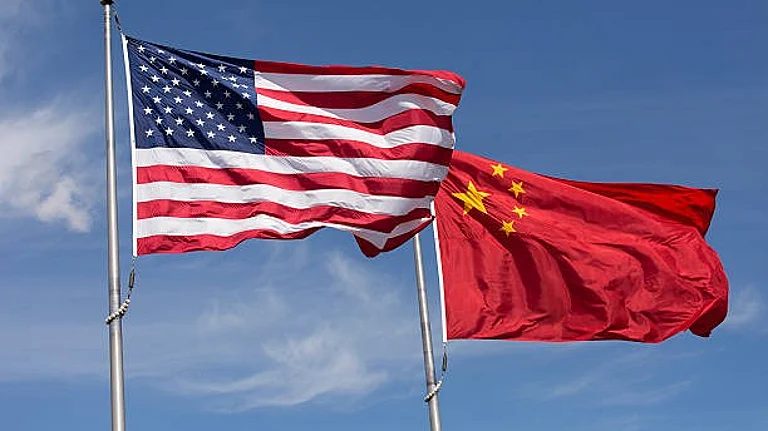
India's efforts have gained urgency after China tightened export controls on rare earth materials and technologies, highlighting the risks associated with relying heavily on a single supplier.
China currently dominates the global rare earth ecosystem, controlling a significant share of mining, processing and refining capacity. The restrictions have already created supply concerns for manufacturers across multiple industries, including automotive, renewable energy and electronics.
Although India possesses the world's third-largest rare earth reserves, estimated at around 7.23 million metric tonnes, the country lacks commercial-scale facilities for refining and separating rare earth elements. As a result, India continues to depend on imports for several critical rare earth products and magnet technologies.
The government has increasingly focused on strengthening domestic capabilities while diversifying overseas sourcing arrangements. Policymakers view rare earth security as a key pillar of India's ambitions in electric mobility, renewable energy, defence manufacturing and semiconductor development.
Advertisement
The move also aligns with India's broader strategy of reducing supply-chain vulnerabilities and ensuring uninterrupted access to materials considered critical for future economic growth.
IREL Expands Global Search
Apart from Russia, IREL is exploring rare earth mining opportunities in Argentina, Australia and Malawi as part of its global sourcing strategy. The company is also holding discussions with Japanese and South Korean firms to support commercial production of rare earth magnets in India.
According to sources, IREL plans to begin domestic rare earth magnet manufacturing between 2029 and 2030. The initiative is expected to strengthen India's position in the global value chain and reduce dependence on imported magnets.
Cooperation between India and Russia is also extending beyond resource exploration into technology development and processing capabilities. In May, JSC Giredmet, part of Rosatom's scientific division, signed a memorandum of understanding with Nexon Geochem to collaborate on rare earth processing technologies.
Advertisement
Giredmet also signed a letter of intent with the Technology Innovation in Exploration & Mining Foundation (TEXMiN), affiliated with the Indian Institute of Technology (Indian School of Mines), to jointly develop technologies for producing neodymium-iron-boron (NdFeB) permanent magnets.
The partnership covers research across the entire metallurgical cycle as well as pilot-scale validation of technologies required for rare earth magnet production. These initiatives are expected to support India's long-term objective of developing an integrated rare earth ecosystem spanning mining, processing, refining and advanced manufacturing.