FPI equity outflows reached ₹2.67 lakh crore in 2026.
AI-driven global markets are drawing capital away from India.
Rupee weakness and slowing earnings continue to pressure foreign flows.
FPI Exodus Deepens: Foreign Investors Withdraw More In Five Months Than Entire 2025
Foreign investors have withdrawn nearly ₹43,000 crore in the first week of June, taking total equity outflows in 2026 to ₹2.67 lakh crore amid rupee weakness, slowing earnings growth and a global shift towards AI-driven markets

Summary
Advertisement
Foreign Portfolio Investors (FPIs) continued their relentless selling in Indian equities, withdrawing nearly ₹43,000 crore during the first week of June and taking total outflows in 2026 to ₹2.67 lakh crore, according to data from the National Securities Depository (NSDL).
The scale of the selling has already surpassed the entire outflow recorded in 2025, when foreign investors pulled out ₹1.66 lakh crore from Indian equities. Market participants attribute the sustained exodus to weakening earnings growth, rupee depreciation and a growing preference among global investors for technology and artificial intelligence-driven opportunities in overseas markets.
The latest NSDL data showed that FPIs sold equities worth ₹42,927 crore during the first week of June alone. Prior to that, they withdrew ₹32,963 crore in May, ₹60,847 crore in April and a record ₹1.17 lakh crore in March. The only month that saw net inflows was February, when overseas investors invested ₹22,615 crore, the highest monthly inflow in 17 months.
Advertisement

AI Trade Diverts Global Capital
Market experts believe the ongoing rally in global technology and semiconductor stocks has diverted capital away from emerging markets such as India.
Major markets including the US, Taiwan and South Korea have attracted significant foreign investments due to expectations of strong earnings growth from companies linked to artificial intelligence infrastructure, semiconductors and advanced computing technologies.
As a result, India, which has limited exposure to the AI and semiconductor value chain, has struggled to attract foreign capital despite relatively stable economic fundamentals.
Dr VK Vijayakumar, Chief Investment Strategist at Geojit Investments, said the AI-driven investment cycle has been one of the primary reasons behind the sharp outflows from Indian equities.
"These are massive unprecedented selling by FPIs. However, if FPIs are to invest in India, the AI trade, which has been the principal driver of FPI outflows away from India, should change. There are early signs of this happening. The crash in Nasdaq by about 5% on June 5 is an indication that the AI bubble may burst. If the AI trade cools down and reverses, that can trigger a reversal of FPI outflows," he said.
Advertisement
Rupee Weakness Adds Pressure
The depreciation of the Indian rupee has emerged as another major concern for overseas investors.
The currency has weakened nearly 6% so far in 2026 and around 10% over the past year, falling from the mid-80s to around 95.5 against the US dollar. A weaker rupee reduces returns for foreign investors when they convert gains back into their home currency, making Indian assets relatively less attractive.
The pressure on the rupee has also raised concerns about India's current account deficit and external financing requirements, both of which depend significantly on foreign capital inflows.
Government And RBI Respond
Recognising the importance of foreign portfolio investments in supporting the balance of payments and financing the current account deficit, policymakers have introduced several measures aimed at attracting overseas capital.
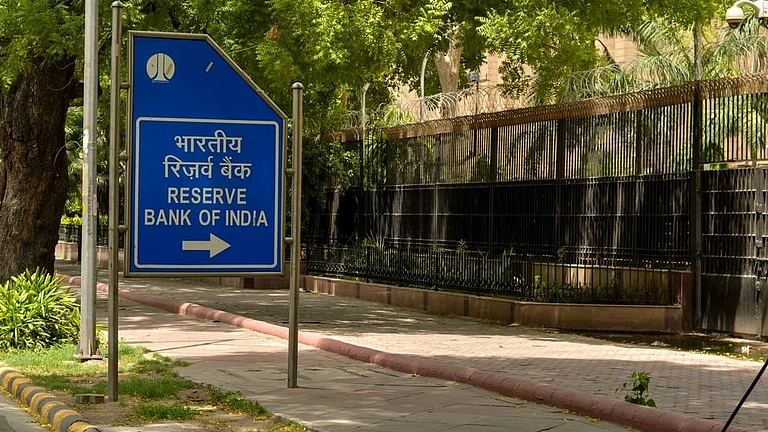
The government recently announced tax exemptions on interest income and capital gains earned by FPIs from investments in government securities. The Reserve Bank of India has also unveiled a series of measures, including absorbing hedging costs on FCNR deposits mobilised by banks, expanding forex swap facilities, increasing access to government bonds under the Fully Accessible Route (FAR), and raising investment limits for Non-Resident Indians (NRIs) and Overseas Citizens of India (OCIs).
Advertisement
According to Vijayakumar, these measures have already contributed to stabilising the currency.
"The rupee, which had depreciated to a low of 96.96, appreciated to 94.94 on June 5. This is a positive development," he said.
Debt Markets See Inflows
While foreign investors continue to exit equities, debt markets have witnessed a different trend.
FPIs invested more than ₹2,600 crore in debt instruments through the Fully Accessible Route during the first week of June, taking total debt inflows under the route to ₹17,230 crore so far this year.
The divergence suggests that while overseas investors remain cautious about India's equity market outlook, they continue to find value in fixed-income assets, particularly after policy measures aimed at improving returns and reducing taxation.
Going forward, analysts believe the direction of foreign flows will depend on the stability of the rupee, the trajectory of corporate earnings, developments in global AI-driven markets and the effectiveness of measures taken by the government and the RBI to improve India's attractiveness to international investors.
Advertisement