Solar capacity expected to quadruple and wind to triple by 2036.
Renewables will reduce coal dependence and boost India’s energy security.
Investments in local manufacturing aim to strengthen clean power supply chains.
India’s Solar Power to Quadruple, Wind to Triple by 2036 Amid Clean Energy Surge
India’s solar and wind capacities are set to grow dramatically by 2036, reducing coal reliance

India’s expanding clean energy sector
Summary
Advertisement
India’s solar power capacity is likely to quadruple by 2036, while wind energy is expected to triple, reported Reuters.
The surge in renewable is expected to reduce India’s dependence on coal as a primary source of electricity generation to 49% by 2035-36, from more than 70% currently, according to the National Generation Adequacy Plan released by the Central Electricity Authority.
In its report, the CEA estimated that total non-fossil fuel capacity would reach 786 gigawatts by 2035-36, with solar energy comprising 65% of the clean power mix.
Nuclear capacity is expected to triple to 22 GW during that period, while large hydro electricity capacity is seen rising by 50% to 77 GW.
India’s pumped storage hydropower capacity is projected to surge 13-fold to 94 GW and battery storage capacity will hit 80 GW by 2035-36 from 0.27 GW currently, the document showed.

Advertisement
Advancing Solar Manufacturing
The projections come at a time when the country is proposing that clean energy firms use only locally made solar ingots and wafers from June 2028, the country’s renewable energy ministry said on March 18, in a move aimed at curbing Chinese imports, according to another report published by Reuters on March 18.
India currently has a manufacturing capacity of about 2 gigawatt (GW) for ingots and wafers.
Companies including Waaree Energies, Tata Power and Indosol Solar have proposed billions of rupees of investments to build renewable manufacturing capacity as India aims to double its non-fossil fuel-based power capacity to 500 GW by 2030.
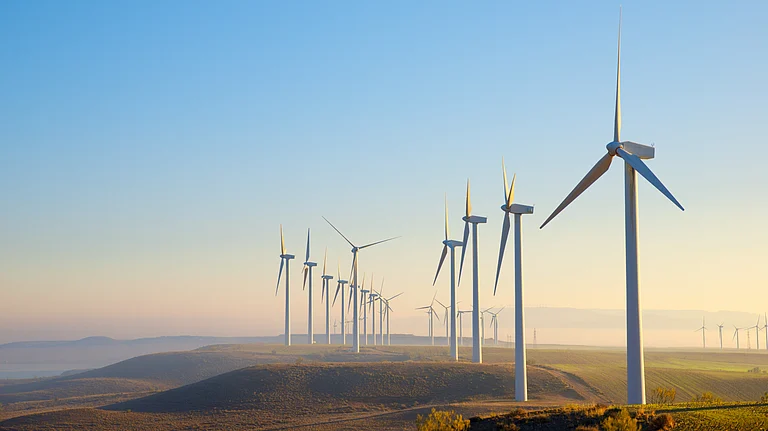
India’s Clean Energy Surge
India's growth in renewable energy is part of a bigger and faster change in its power sector. Data show that renewables now make up more than half of the country's total installed electricity capacity. This is a big step toward meeting climate goals and diversifying energy sources, and it happened years ahead of the 2030 target.
Advertisement
Adding solar and wind power, along with record annual capacity increases and large amounts of investment, is helping to make the power sector less dependent on coal and more secure. To integrate this rapidly growing clean energy supply, it will be important to keep using storage, hybrid projects and grid upgrades.