India aims to expand nuclear capacity from 8.78 GW currently to 100 GW by 2047
New uranium supply routes involving Australia and Uzbekistan are aimed at strengthening fuel security
India is also pursuing domestic reactor manufacturing, SMRs and greater private participation
Australia To Uzbekistan: How India Is Building A Wider Uranium Supply Network
The government’s longer-term objective is to reach 100 GW of nuclear capacity by 2047, and the nuclear power is expected to provide steady, low-carbon electricity alongside renewable energy

India Is Expanding Uranium Supply Network For Nuclear Energy AI generated representative image
Summary
Advertisement
India is widening its network of overseas uranium suppliers as it prepares for a substantial expansion of nuclear power capacity, with the government targeting 100 GW by 2047 from 8.78 GW currently.
The move has gained momentum with new steps involving Australia and Uzbekistan, adding to an existing supplier base that includes Russia, Kazakhstan, Canada and France.
The broader effort is aimed at ensuring adequate nuclear fuel as India expands its reactor fleet and seeks to reduce vulnerabilities arising from dependence on a limited number of sources.
Why Uranium Matters To India
India currently operates 24 nuclear reactors with a combined installed capacity of 8.78 GW, according to a backgrounder released by the government on August 28.
Nine more reactors, with a total capacity of 7.5 GW, are under construction, while the government has approved 10 indigenous 700 MW Pressurised Heavy Water Reactors (PHWRs) in fleet mode.

Advertisement
The government’s longer-term objective is to reach 100 GW of nuclear capacity by 2047, and the nuclear power is expected to provide steady, low-carbon electricity alongside renewable energy and help reduce dependence on imported fossil fuels.
Uranium will remain important during this expansion. India has domestic uranium deposits, but its uranium reserves are relatively low grade and therefore need to be supplemented through imports.
Government data cited in the backgrounder show that India imported 18,842.60 tonnes of uranium in various forms between 2008-09 and 2024-25 for safeguarded nuclear reactors.
As of April 2026, 16 reactors with a combined capacity of 6,380 MW were under International Atomic Energy Agency safeguards and fuelled with imported material, as per the government.
Australia Opens New Commercial Route
Australia could become an important additional source as India and Australia signed a civil nuclear cooperation agreement in 2014, which came into force in 2015, but commercial uranium supplies took years to materialise.
Advertisement
The two countries signed an Administrative Arrangement in July 2026 to implement the agreement, allowing Australian producers and Indian buyers to negotiate commercial supply contracts. No specific volume or commercial contract had been announced, as per a report by Business Standard (BS).

Australia has a substantial uranium resource base. According to World Nuclear Association data, the country accounted for about 28% of identified recoverable global uranium resources in 2023, the BS report said.
Uzbekistan Adds Another Potential Source
India is also seeking to strengthen ties with Uzbekistan, an existing uranium supplier.
The two countries highlighted progress towards a long-term uranium supply arrangement during Prime Minister Narendra Modi’s August visit to Tashkent.
The visit has resulted in a long-term framework under which Uzbekistan would supply yellowcake, or uranium ore concentrate, for safeguarded civilian reactors, as per a report by Moneycontrol.
Advertisement
An earlier 2019 contract envisaged Uzbekistan supplying 1,100 tonnes of uranium between 2022 and 2026, as per BS.
India Is Diversifying Suppliers Network
India’s uranium portfolio already extends across several countries. Since receiving a Nuclear Suppliers Group waiver in 2008, it has developed civilian nuclear cooperation and fuel arrangements involving Russia, Kazakhstan, Canada and France.
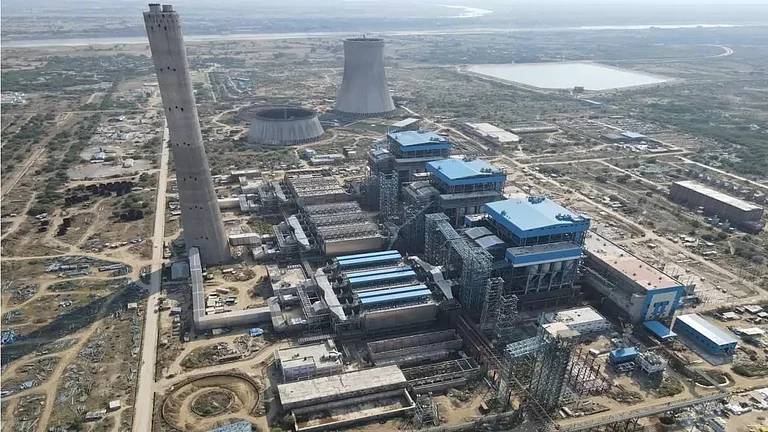
Mongolia, Namibia and Argentina are also among countries with which India has developed arrangements, as per Moneycontrol.
Canada’s Cameco signed a long-term agreement with India earlier this year to supply nearly 22 million pounds of uranium ore concentrate between 2027 and 2035, the report said.
Russia remains important for the VVER reactors at Kudankulam.
The rationale is straightforward: a broader supplier base can reduce the impact of geopolitical tensions, transport disruptions and supply interruptions on India’s nuclear programme.
Domestic Capacity And Private Participation
India is simultaneously trying to reduce its longer-term dependence on imported fuel through its three-stage nuclear programme.
Advertisement
The strategy seeks to move from natural uranium-based PHWRs to plutonium-fuelled fast breeder reactors and eventually to thorium-based reactors using Uranium-233, according to the government's backgrounder.
The Prototype Fast Breeder Reactor at Kalpakkam attained first criticality in April 2026, marking the beginning of the programme’s second stage.
India is also developing small modular reactors, including the 220 MWe Bharat Small Modular Reactor, and aims to operationalise at least five indigenous SMRs by 2033.
The SHANTI Act, 2025, is another part of the expansion strategy as it provides a framework for greater private participation in civilian nuclear power, although strategic activities such as uranium enrichment, spent fuel management and heavy water production remain under government control.
For India, therefore, securing uranium abroad is not a standalone procurement exercise. It is part of a wider strategy combining overseas fuel diversification, domestic reactor manufacturing, new nuclear technologies and private participation as the country seeks to scale nuclear power more than elevenfold over the next two decades.