Kamath said Zerodha deliberately limited its workforce to around 1,000 employees
The company expanded through investments in startups like Smallcase, Sensibull and Ditto
He said Zerodha's customer-first culture is its biggest long-term competitive advantage
Nithin Kamath On How Zerodha Built $8 Bn Business With Just 1,000 Employees
The Zerodha founder said the brokerage's decision to keep its workforce lean, back partner startups and avoid sales targets has helped build a business model that has remained difficult to replicate

How Zerodha Built a $8 Bn Business With Just 1,000 Employees: Nithin Kamath
Summary
Advertisement
Zerodha founder and CEO Nithin Kamath stated that the company's deliberate choice to limit its workforce to approximately 1,000, while investing in partner startups like Smallcase, Sensibull, and Ditto rather than simply expanding employee numbers for the sake of growth, has collectively made the company challenging to replicate over the past 16 years.
He emphasised that this approach is not merely a cultural choice but represents a unique business model.
The post was spurred by a conversation with a new employee whose understanding of what made Zerodha different was limited, according to Kamath.
"What struck me was that his understanding of what makes Zerodha different was superficial. He knew we don't incite customers to trade, but not much beyond that. And this got me thinking: this probably isn't just them and is likely true of more of our recent hires; and that's an onboarding gap we need to fix," Kamath wrote in a long-form article shared publicly this week.
Advertisement
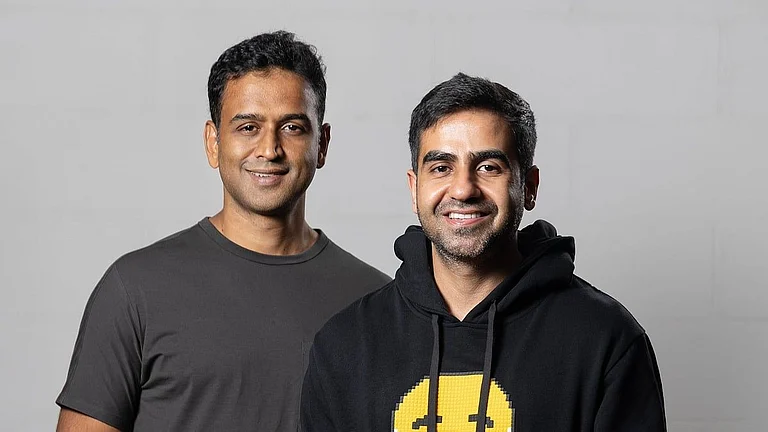
Rather than expanding its workforce and entering adjacent markets, Zerodha chose to invest in partner startups.
"The main objective was to stay small as a company and take shots at the adjacencies through good partners rather than try to build it all ourselves and lose focus on the core operations," said Kamath.
Meanwhile, he attributed much of the credit for the philosophy to the CTO. "When I started the business, I too believed in the idea that more people can solve more problems. I never realised that more people also mean more inefficiencies. The way he built the tech team since 2014, the way they contributed while improving their skill sets, and the fact that we could actually see this because the team was small—I was sold on K's idea of building Zerodha while staying as small as possible," he wrote.
Advertisement
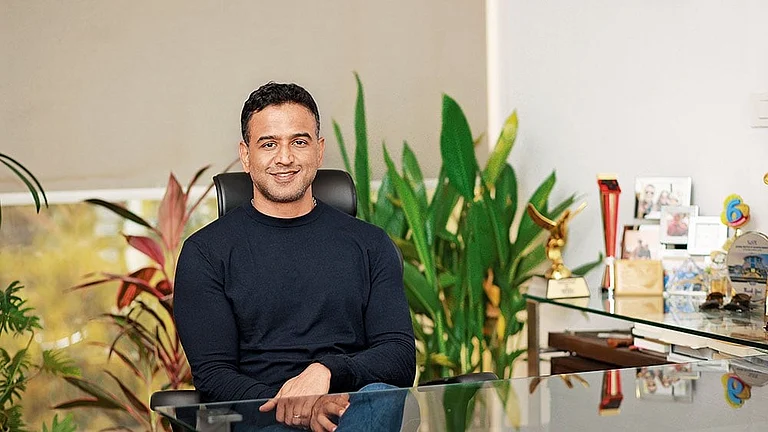
'Inimitable Culture' of Zerodha
Kamath said employees are not given sales or revenue targets, citing legendary investor Charlie Munger on the toxicity of incentive structures that push staff toward outcomes that harm customers and the company. "The reason so many people look up to us as a business is because we don't do wrong by our customers. And let me tell you, it is extremely toxic working in a company that doesn't care for its customers," he wrote. He also said he has deliberately kept himself separate from the startup and business community to avoid getting caught up in comparisons related to growth, revenue, and valuations. "It is extremely tough not to get influenced by peers who are constantly speaking of growth, revenue, profitability, and so on." In the end, Kamath said competitors can copy products but cannot replicate "hundreds of deliberate choices and many sleepless nights over 16 years."
Advertisement
Zerodha’s work culture is its biggest edge, "A nice place to work is not a perk we offer. It is kind of a business model in itself," he added.