Natural gas supply to industry capped at 80% under 2026 regulation.
Most consumer firms have under 10% gas dependence, limiting disruption.
Hormuz tensions threaten 50–55% of India’s LNG imports.
FMCG, Paint Companies Likely to See Limited Impact From 20% Gas Supply Cut
However, analysts said companies with higher gas exposure could face higher fuel costs if supply constraints persist and they are forced to rely on more expensive alternative fuels

Britannia Cable Community
Summary
Advertisement
A reduction in the natural gas supply to industrial consumers, due to uncertainty in global gas supply amid the West Asia conflict, is unlikely to significantly disrupt production for most Indian consumer companies, according to a report by Nomura.
The government issued the Natural Gas (Supply Regulation) Order, 2026, on March 9, under which manufacturing and industrial consumers connected to the national gas grid or city gas distribution networks will receive up to 20% lower gas supply, capped at around 80% of their average consumption over the previous six months.
Nomura’s analysis suggests that most consumer companies have limited reliance on natural gas as a production fuel, which should reduce the operational impact of the supply cut. Firms such as United Spirits, ITC, Hindustan Unilever, Marico, Tata Consumer, Dabur, Asian Paints, Berger Paints and EPL have less than 10% exposure to gas in their overall energy mix and are therefore expected to face negligible disruption.
Advertisement
Some companies — including Britannia, Nestlé, Godrej Consumer, Kansai Nerolac and Colgate — have relatively higher gas exposure of over 15%. However, many of these companies operate multi-fuel facilities, allowing them to switch to alternatives such as high-speed diesel or fuel oil if gas availability tightens. This flexibility is expected to limit the impact on production.
The report notes that none of the companies covered has reported production disruptions so far. Many are maintaining higher-than-normal fuel inventories and building additional finished goods stock to cushion any potential supply disruptions.
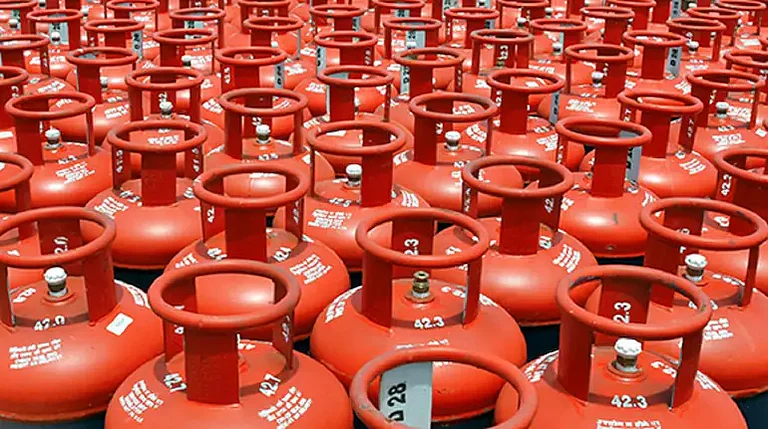
However, analysts said companies with higher gas exposure could face higher fuel costs if supply constraints persist and they are forced to rely on more expensive alternative fuels.
LPG Crisis
The US-Israel conflict with Iran has shown no signs of a truce as yet.Tehran reportedly also vowed to keep the Strait of Hormuz shut. As a result, India is currently facing a significant natural gas and LPG shortage, affecting industrial and commercial users.
Advertisement
The Strait of Hormuz is a lifeline for India’s energy imports. It accounts for 50-55% of India’s oil/LNG imports, and nearly 88% of India’s LPG imports.
LPG is most exposed because of it, with domestic/commercial use 96% of demand and nearly 50% of supply being disrupted.