Air India's fault ratio rose to 1.96, nearing Europe’s risk threshold of 2.
DGCA intervened to help bring the ratio down to 1.76.
Ageing aircraft and delayed refurbishment cited as key reasons.
Air India Faces European Safety Scrutiny, Fault Ratio Nears Danger Zone
Air India's fault ratio, climbed to 1.96 in January. That is dangerously close to the threshold of 2, beyond which an airline can face serious consequences including enhanced scrutiny or even a ban on flying into Europe

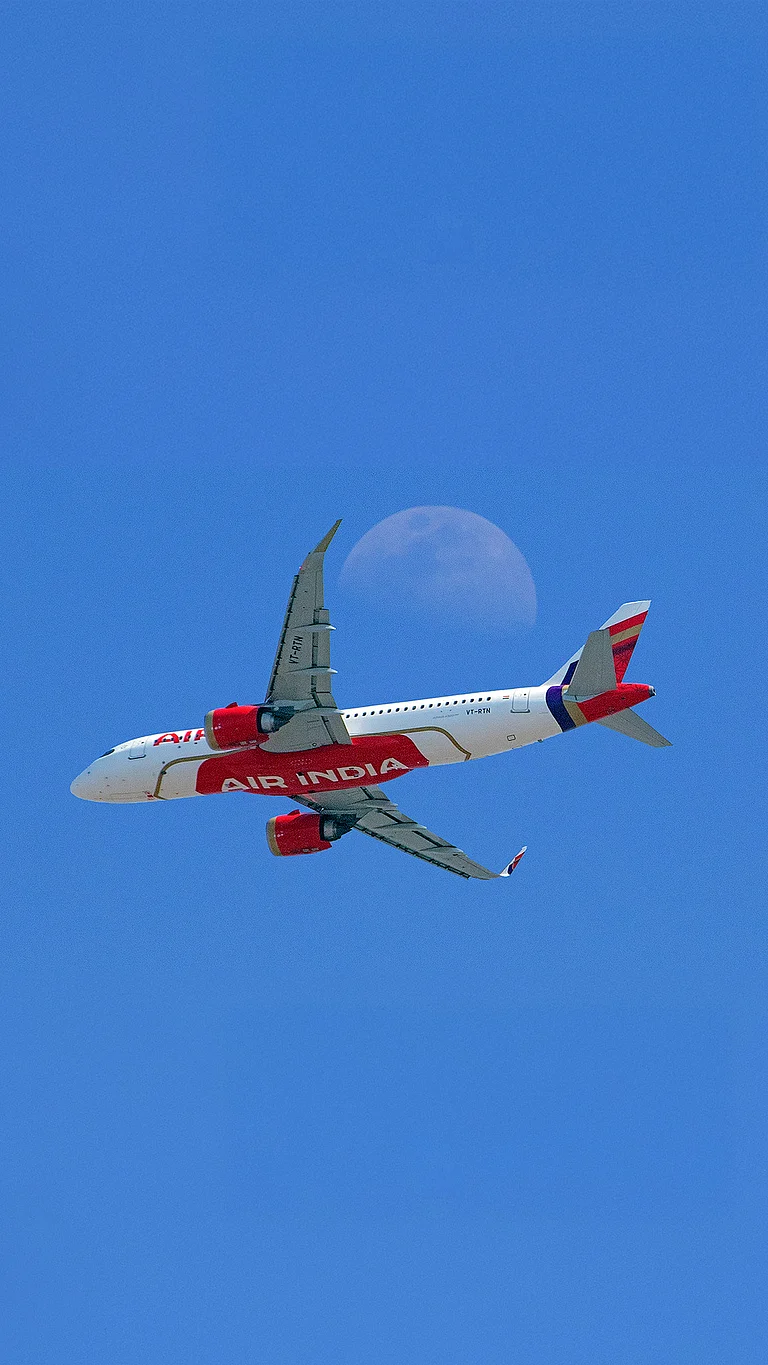
Air India
Summary
Advertisement
Air India has come under the spotlight for safety lapses after surprise inspections by a European aviation watchdog flagged a series of issues on its aircraft landing at airports across Europe, according to a report in The Economic Times.
The checks were conducted under a programme called SAFA (Safety Assessment of Foreign Aircraft), run by the European Union Aviation Safety Agency (EASA).
Point to note: EASA conducts surprise inspections on non-European airlines every time their planes land at European airports. Inspectors examine around 54 safety parameters, ranging from emergency equipment and crew licenses to operational paperwork, without any prior notice to the airline.

During one such inspection, Air India did not fare well. Its fault ratio, climbed to 1.96 in January. That is dangerously close to the threshold of 2, beyond which an airline can face serious consequences including enhanced scrutiny or even a ban on flying into Europe.
Advertisement
For context, airlines with strong safety records typically score below 1.
Following this, India's aviation regulator, the Directorate General of Civil Aviation (DGCA), stepped in swiftly to avert a crisis. A senior official repprtedly said that after corrective measures, the ratio has since dropped to 1.76.
Meanwhile, a senior Air India official attributed the high fault count to the airline's aging aircraft fleet. The Tata Group, which took over the airline, had launched a $400 million refurbishment programme for older planes, but the project has been delayed due to supply chain bottlenecks affecting vendors globally.
The troubles do not end there. DGCA has repeatedly flagged concerns about Air India's engineering and maintenance practices. Top engineering officials at the airline have been suspended, and CEO Campbell Wilson has been issued a show cause notice over multiple safety lapses, including one incident where the airline operated eight scheduled flights without a mandatory airworthiness permit.
Advertisement
Following this, the Tata Group's airline is now leaning on the expertise of Singapore Airlines, which holds a 25.1% stake in the carrier. Earlier this month, Jeremy Yew from Singapore Airlines Engineering Company was brought in as the airline's new head of engineering.