Delhi ranks among global cities facing extremely high water stress.
Climate change and poor water management intensify shortages across major urban centres.
Millions live in drying regions as urban demand increasingly outpaces freshwater supplies.
Delhi Among World’s Most Water-Stressed Cities as Climate Risks Rise, Says Report
A global analysis warns Delhi faces extreme water stress as climate risks intensify

Delhi ranks among global cities facing extremely high water stress
Summary
Advertisement
Delhi is among the 38 countries of the world’s 100 largest cities are experiencing extremely high water stress, alongside Beijing, New York, Los Angeles and Rio de Janerio, according to an analysis published by The Guardian.
The analysis published further noted that among the 100 large cities, half of them are under high levels of water stress including London, Jakarta and Bangkok.
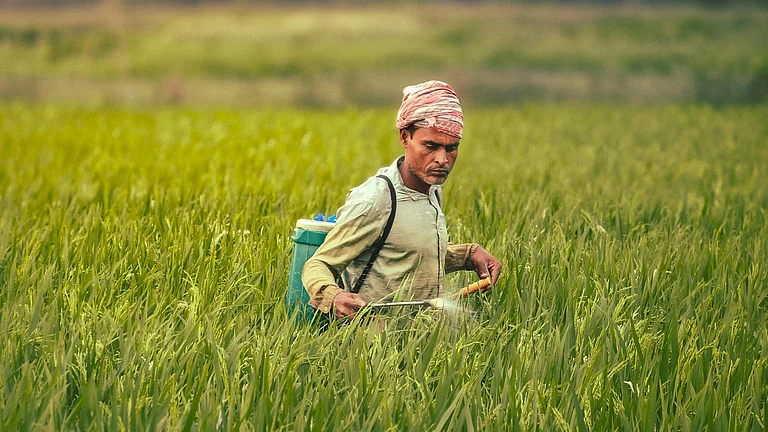
What Does Water Stress Mean
According to The Guardian, water stress means water withdrawals for public water supply and industry are close to exceeding supplies, often caused by poor management of water resources exacerbated by climate breakdown.
Some 1.1bn people reside in major metropolitan areas located in regions undergoing strong long-term drying, as against 96mn in and around the cities in regions indicating strong wetting trends, the report noted.
“Most of the city regions in notably wetting zones are in sub-Saharan Africa, with just Tokyo and Santo Domingo in the Dominican Republic sitting elsewhere. Most of the urban centres in areas with the strongest drying signals are concentrated across Asia, particularly northern India and Pakistan,” The Guardian stated.
Advertisement
States such as Jammu & Kashmir, Punjab, Haryana, Rajasthan, Uttar Pradesh, Chhattisgarh, Bihar, West Bengal, Odisha, Gujarat, Madhya Pradesh, Maharashtra, Karnataka, Telangana, Andhra Pradesh, Tamil Nadu and portions of Kerala demonstrated severe water stress, reported Down To Earth citing The Aqueduct Water Risk. Chennai experienced "Day Zero" in 2019 when all of its major reservoirs were nearly empty.
Climate and Cities
Urban water stress is increasingly linked to climate-change and rapid urban growth, according to the United Nations. UN-Water notes that climate change is intensifying droughts, heatwaves and erratic rainfall, while expanding cities are straining already limited freshwater resources.
The World Bank has warned that unmanaged water stress could reduce regional GDPs by up to 6% by 2050 due to water related impacts on agriculture, health, productivity and infrastructure. Meanwhile, UN-Habitat underscored that ageing pipelines, groundwater over-extraction and unequal access worsen shortages in megacities, turning water stress into governance and resilience challenge rather than a purely natural scarcity problem.
Advertisement