RBI’s decision to keep the repo rate unchanged at 5.25% means home loan EMIs are likely to stay the same for now.
Experts say stable EMIs provide predictability for both existing and new home loan borrowers but do little to make housing more affordable.
The status quo on rates may keep buyer interest steady, as borrowers are not faced with sudden payment increases.
What RBI's Unchanged Repo Rate Means for Home Loan EMIs
This means that Equated Monthly Instalment (EMI) on home loans will also likely remain unchanged. Since home loan EMIs don't rise, industry leaders and experts say that home demand will remain steady and home or other real estate buyers are less likely to postpone purchases due to cost concerns

No Repo Change: What It Means for Home Loan EMIs
Summary
Advertisement
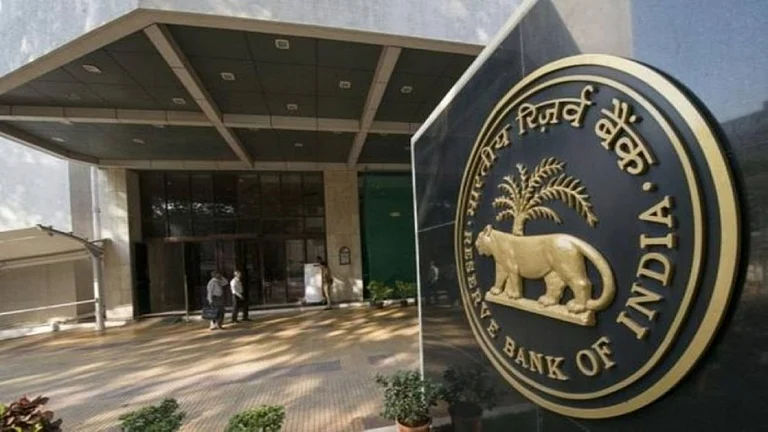
The Reserve Bank of India's (RBI) Monetary Policy Committee on Friday decided to keep the repo rate unchanged at 5.25%. This means the bank loans linked to the central bank's policy rate is expected to remains the same.
This means that Equated Monthly Instalment (EMI) on home loans will also likely remain unchanged. Since home loan EMIs don't rise, industry leaders and experts say that home demand will remain steady and home or other real estate buyers are less likely to postpone purchases due to cost concerns.
"The upside is that current house loan borrowers will not experience any EMI shocks for now, and new borrowers can plan their housing purchases with the benefit of predictability," said Anarock Group Chairman Anuj Puri.
However, since the Indian real estate market in recent years has seen a decline in build out of affordable houses even though premium housing segment has been experiencing a boom.
Advertisement
Puri noted that RBI MPC decision on Friday will keep buyers engaged but will do nothing to lift demand further or to make housing more affordable.
In the last MPC Meeting in December, 2025, the central bank had lowered the repo rate by 25 basis points. The Sanjay Malhotra led MPC since the start of policy easing cycle in February 2025 has cut the repo rate four times. On Friday, the governor told reporters that policy transmission is still happening as banks lower their interest rates.
What RBI MPC Move Means for Builders?
For real estate developers, no sudden price pressure will be felt. Developers will be less likely face higher borrowing costs as inflation remains low and banks keep lending rates unchanged, which reduces the risk of sharp price hikes in the near term. However, experts point to developers need for additional support.
PropEquity said that beyond rate action, it is equally critical for RBI to ensure adequate liquidity in the system and effective transmission of rate cuts by banks to deliver meaningful relief to the real estate sector. It further highlighted that housing supply declined by 12% to 3,96,062 units in 2025, while sales fell by 11% to 4,21,471 units, underscoring the need for supportive monetary conditions.
Advertisement
"Two consecutive years of decline in housing sales warranted a further repo rate cut by the RBI to ensure affordable credit for both homebuyers and developers. With the growth outlook remaining positive and inflation at record lows, an additional push to growth could have significantly improved sentiment in the real estate sector," said Founder and CEO, Samir Jasuja.
"At a time when real estate demand has moderated and access to traditional financing remains selective, alternative investmnet fund (AIF) continue to play a critical role in providing structured, long-term capital to the sector. Real estate–focused AIFs are well positioned to bridge the funding gap through flexible capital structures, superior risk pricing, and asset-backed investments," said, Ankur Jalan, CEO of Golden Growth Fund, a category II Real Estate focused AIF.
"While the MPC has maintained a status quo on the policy rate, a continued supportive monetary stance focused on ensuring adequate liquidity and smoother transmission will further enhance the appeal of real estate AIFs," he added.
Advertisement
In contrast, Sterling Developers Chairman and MD, Ramani Sastri, said that the Indian real estate sector has demonstrated exceptional resilience and momentum, driven by robust demand, rising aspirations and supportive government-led initiatives, positioning it as one of the most dynamic and fastest-growing markets globally.
"Builders remain optimistic that this momentum will continue, encouraging sustained home ownership and contributing to broader economic growth," Sastri said.
"As liquidity conditions normalise, a stable rate regime supports measured growth across segments. CREDAI believes that calibrated monetary easing over time, aligned with evolving macroeconomic conditions, can further improve housing affordability, expand access to home ownership, and support a more inclusive growth path for the sector," said Shekhar Patel, President CREDAI.