Trump increased the global import tariff to 15%, less than 24 hours after announcing a 10% rate.
The move followed a ruling by the Supreme Court of the United States blocking his earlier tariff plan.
The new rate changes how tariffs apply to countries like India, while some sector-specific duties remain same.
Trump Moves Fast: 15% Global Tariff Announced Less Than 24 Hours After 10% Order
Section 122 is a separate and rarely used law that allows a president to impose tariffs of up to 15% for 150 days. After that, approval from Congress is needed to continue them

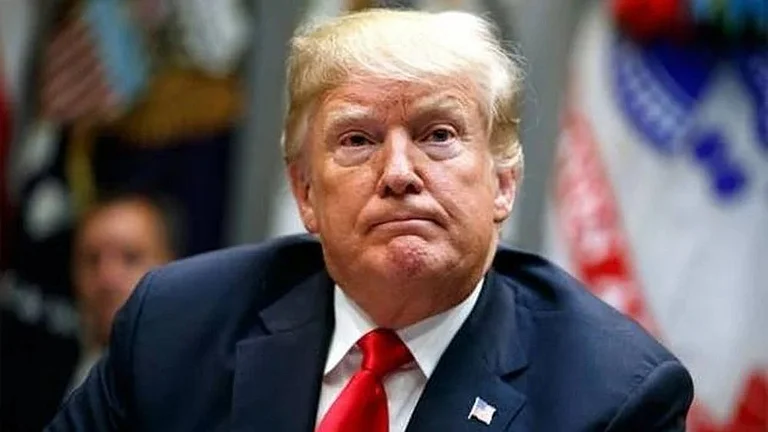
US President Donald Trump Photo by AP
Summary
Advertisement
Less than 24 hours of signing an executive order to reset global tariff rate to 10%, US President Donald Trump announced that he is increasing a temporary import tariff on goods coming into the US to 15%. This is the highest level allowed under the law he is using.
In a post on Truth Social, Trump said he was raising the global tariff to the "fully allowed" 15% level. He claimed many countries had taken advantage of the US for decades.
"I, as President of the United States of America, will be, effective immediately, raising the 10% Worldwide Tariff on Countries, many of which have been 'ripping' the US off for decades, without retribution (until I came along!), to the fully allowed, and legally tested, 15% level," Trump said.
He had signed the executive order to impose the 10% global tariff under Section 122 of the Trade Act of 1974.
Advertisement
Section 122 is a separate and rarely used law that allows a president to impose tariffs of up to 15% for 150 days. After that, approval from Congress is needed to continue them. No previous US president has used this law, and experts say it could face legal challenges, several reports stated.
The 10% tariff had been introduced after the US Supreme Court struck down Trump's earlier, broader tariff program on Friday. In a 6-3 ruling, the court said he had gone beyond his legal powers by using the International Emergency Economic Powers Act of 1977 to impose wide-ranging tariffs.
Trump called the court's decision "ludicrous" and said it benefits other countries instead of the US. He argued that the ruling limits his ability to impose even small tariffs under that law.
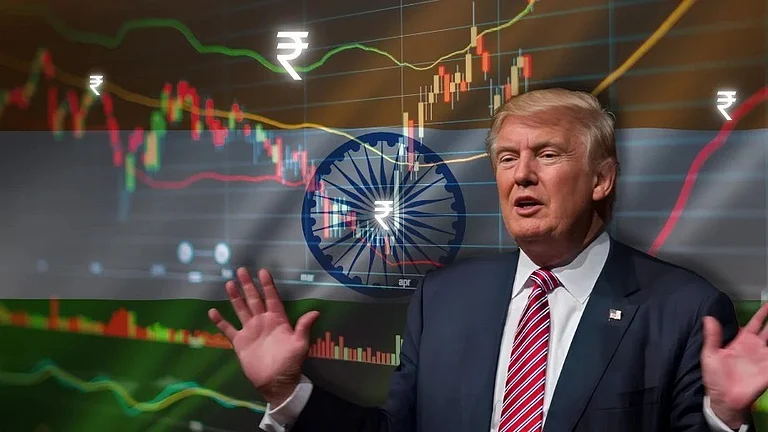
Trump earlier used tariffs, or the threat of tariffs, to push countries including India into trade negotiations.
Advertisement
With the new 15% rate in place, the earlier "reciprocal tariffs" imposed on India will be removed. This means about 55% of India's exports to the US will no longer face the earlier 25% duty and will instead be taxed at the normal Most Favoured Nation (MFN) rates.
Notably, Earlier, the US and India had agreed on an interim trade deal. Under this agreement, the US reduced its special tariff on Indian goods to 18%, down from as high as 50%. In return, India agreed to remove tariffs on some American products, helping reduce trade tensions between the two countries.