RBI’s fresh rate cut pushes total easing this year to 125 bps
Real estate players expect a lift in sales and enquiries as lower borrowing costs improve affordability
The full benefit hinges on how quickly banks revise lending rates
RBI MPC’s Year-End Rate Cut Brings Hope for Affordable Housing Revival
The RBI has delivered another 25-basis-point cut, extending this year’s easing cycle and reinforcing what policymakers describe as a “Goldilocks” phase of low inflation and strong growth. The real estate sector is viewing the move as a clear booster for affordability, particularly after sharp price increases in major cities

RBI MPC’s Year-End Rate Cut Brings Hope for Affordable Housing Revival
Summary
Advertisement
The Reserve Bank of India (RBI) on Friday unanimously reduced the repo rate cut by 25 basis points to 5.25%, while retaining a neutral policy stance. Addressing the RBI MPC December meeting today, Governor Sanjay Malhotra said the current economic conditions present a rare “Goldilocks period” as inflation stands at 2.2% and growth at 8% in the first half of the year.
The latest reduction has brought the total rate cuts in 2025 to 125 basis points. The rate cutting cycle began in February, marking the first rate reduction after May 2020. Realty experts say the move boosts affordability, strengthens sentiment, and sets the stage for a solid start to 2026, which provided banks transmit the cut swiftly.
“…this move further sweetens the value proposition for homebuyers, particularly in the affordable and mid-income segments which are highly sensitive to interest rate fluctuations,” said Anuj Puri, chairman of Anarock Group.
Advertisement
With average housing prices across the top seven cities having risen by notable double-digits (approximately 10%) in 2025, Puri said this rate cut provides a critical cushion to affordability, potentially bringing home loan interest rates to more attractive levels. This can encourage aspiring homebuyers who had paused their decisions due to price hikes to finally take the plunge.
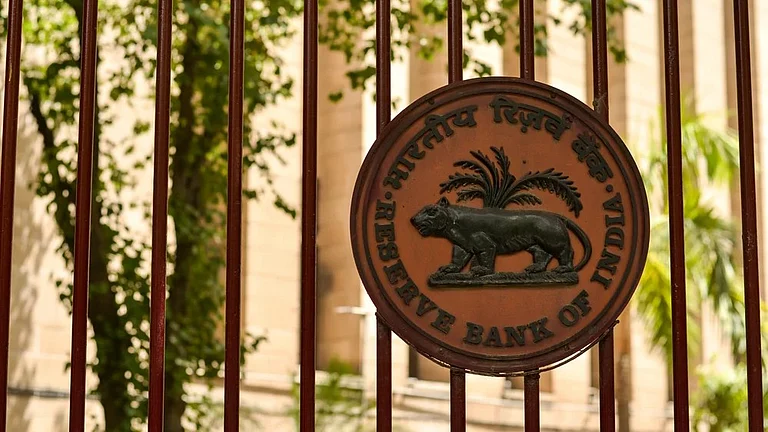
However, the real impact, according to Anarock, hinges on the effective transmission of these benefits. “If banks swiftly pass on this rate cut to borrowers, we anticipate a renewed surge in sales velocity carrying firmly into Q1 2026”.
“The current trends indicate that luxury homes will continue to drive residential real estate in 2026, as well. And demand for affordable and mid-segment homes remains strong in the country, but is hamstrung by high prices impacting affordability. This rate cut can potentially bring at least some fence-sitters to the market,” he added.
Advertisement
On the other hand, the move seems beneficial for developers too. M3M India director Yateesh Wahaal stated that the reduction in capital costs provides much-needed headroom for faster project execution, product innovation, and stronger liquidity management.
“We expect this rate cut to unlock renewed momentum across both residential and commercial segments, catalysing investments and long-term housing commitments. Overall, it is a constructive and growth-aligned move that strengthens the sector’s outlook for 2026 and beyond,” said Wahaal.

That affordability push is echoed by Colliers India, which says the combined impact of lower rates and GST cuts is likely to spur enquiries in the coming quarters.
“Lower borrowing costs will further improve affordability and buyer sentiment, particularly in affordable and mid-income housing segments. Additionally, steady growth in average income levels can potentially drive property enquiries and boost housing sales in the next few quarters,” said Vimal Nadar, National Director & Head, Research at Colliers India.
Advertisement
After four rate reductions in 2025, the focus now shifts to how quickly banks will pass on the easing. Because home loans are benchmarked to external lending rates, a repo rate drop usually flows through to borrowers through EMI reductions once lenders reset their rates.