The growing integration of artificial intelligence (AI) in the legal sector has brought with it significant opportunities as well as broader ethical and regulatory challenges, legal experts said.
AI in Legal Sector Needs Ethical Guardrails, Strong Data Protection: Experts
Experts have stressed that the growing use of artificial intelligence in the legal sector requires clear ethical guardrails and robust data protection frameworks

Advertisement
India is hosting the world's largest artificial intelligence conclave, the AI Impact Summit-2026, to make a big pitch for the new technology.
Ajay Bhargava, senior partner at Khaitan & Co, speaking to PTI, said that while AI is poised to augment legal capabilities, it remains a supportive tool that cannot replicate the intuition, ethical reasoning or strategic judgment of an experienced advocate.
Bhargava flagged some risks, saying over-reliance on AI-generated drafts could be problematic because of potential inaccuracies. So, rigorous human verification of all AI-generated output was essential.
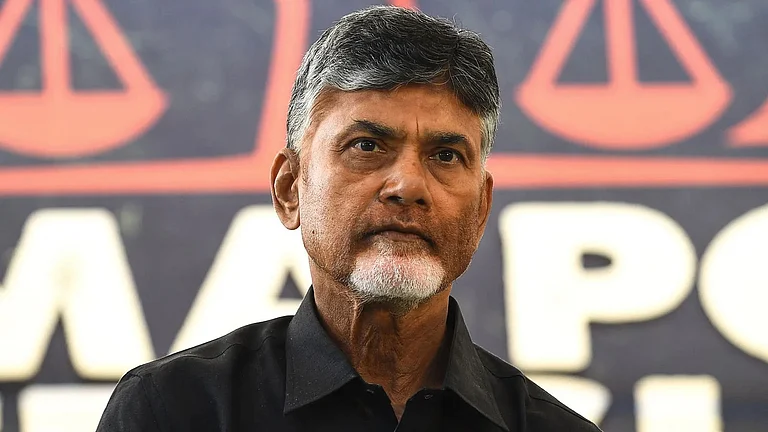
"The integration of AI in the legal sector also raises broader challenges, underscoring the need for clear ethical guidelines governing its use by lawyers, alongside strong data protection laws," he said.
Advocate Tarun Rana said AI was more of a support tool, helping lawyers in research and understanding of case laws.
Advertisement
"AI tools for legal research can be helpful but not completely reliable. It can swiftly track relevant case law with corresponding provision, saving the lengthy time to compare through the manual search, but on occasions it might give overruled, outdated or incorrect case references. It could also misunderstand the context of a judgment," Rana said.
He underlined that blindly trusting AI could be risky, and it must be subjected to rigorous human verification.
Speaking about the use of AI by legal firms, Bhargava said AI as a support tool was presently being used for data-intensive tasks, such as document review, research and case management.
"At Khaitan & Co, we use proprietary AI tools for assistive drafting and research. However, the final judgment and strategic decision remain firmly with our lawyers, who bring an understanding of the complex Indian legal system and market context." "Over the years, it is likely to become more integrated into the legal system through indigenous tools, shifting the role of junior lawyers from manual tasks to analytical and strategic work. Within the judiciary, AI could assist judges by summarising the facts and arguments, allowing them enough time to focus on core judicial reasoning," Bhargava said.
Advertisement
Advocate Sudhir Mishra, managing partner of legal firm Trust Legal, pointed out an existing regional constraint in the use of AI by legal practitioners across the country.
"The role of AI in legal practice is quite limited, and confined to urban clusters or metros. It is surely not a decision-making tool. We do not use AI for drafting/contracts. The Supreme Court is already mentioning the havoc of AI-related case citations, and a lot of caution is needed," Mishra said.
He said that it was futile to compare AI with the intent, intelligence, emotional core, critical, refined and experienced mind of a seasoned practitioner of law.
"AI will not reduce job opportunities. We need hundreds of hardworking lawyers to bridge the gap in access to justice for all," Mishra said.
Regarding the requirement of a specific regulatory framework for AI in the legal sector, Rana said it was a must.
He said, "This becomes important to ensure the accuracy, transparency and accountability as it relates to the right of a litigant. Other aspects, such as risk of infringement of privacy, leakage of vital information of the client, also need to be well protected." Rana also spoke about the instances of fake citations being placed before courts by lawyers without proper verification from authentic judgment repositories.
Advertisement
"Before placing a citation before a court, lawyers are duty-bound to verify its authenticity and find whether the judgment still prevails or has been over-ruled," he said.