Rising peak electricity demand is straining India’s power grid.
Demand flexibility programmes help shift consumption away from peak hours.
Smart meters and new regulations enable large-scale demand response.
Rising Power Demand Puts Focus on Demand Flexibility — Here’s Why
Smart meters, rising peak load and regulatory reforms accelerate demand response push

Power transmission lines against a sunset as India’s electricity demand rises Photo by Chase Crawford
Summary
Advertisement
India’s energy landscape is undergoing rapid transformation. While the country is experiencing increasing penetration of renewable energy (RE), it simultaneously faces the challenge of fast-growing peak electricity demand. Meeting this rising demand while ensuring uninterrupted power supply and grid reliability requires significant investment. This could even result in a higher marginal cost of power.
To manage this demand effectively and cost-efficiently, Demand Flexibility (DF) and Demand Response (DR) programmes are critical. These initiatives can enhance grid so that reliable electricity reaches consumers at a reasonable price. The ongoing nationwide roll-out of smart meters is further enabling DF/DR programmes by providing granular consumption data and facilitating two-way communication across consumer categories.
India’s efforts to modernise its power sector, investments in grid decarbonisation and a robust regulatory environment have laid the foundation for strategically addressing rising electricity needs. Moreover, a decade of experience in utility-led demand-side management (DSM) has created a strong baseline for DF/DR programmes to accelerate RE integration. However, DF readiness varies across states, with a few frontrunners demonstrating stronger policy, regulator and technical preparedness.
Advertisement

Regulatory Push for Mandatory Pricing
While some power companies in India have tested programmes that encourage consumers to shift electricity use away from peak hours, these are mostly voluntary and therefore unreliable.
Regulators now want stricter rules, like mandatory time-based pricing, so utilities can better manage peak demand. As a consequence, Maharashtra has introduced formal regulations requiring power distributors to shift part of peak demand to off-peak hours and states like Assam and Karnataka are also drafting similar rules, reported Down To Earth.
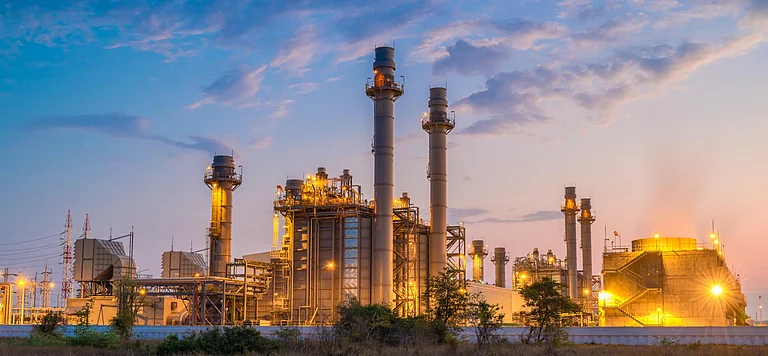
Smart Grids Power Transition
Electricity consumption rose by an estimated 4.3% y-o-y in 2024, up from 2.5% in 2023, with growth expected to continue at a robust 3.9% in our outlook period, according to the International Energy Agency (IEA) report.
Advertisement
The IEA report further stated that following a strong 8.3% increase in 2023, electricity demand in India grew 5.8% y-o-y in 2024 amid strong economic growth. While electricity consumption rose by a robust 8.5% during the first half of the year due to intense and long heatwaves, the second half saw a more subdued growth in demand amid milder weather. Supported by rapid economic expansion and increasing electrification, India’s electricity demand is expected to grow at a high rate of 6.3% annually from 2025 to 2027 on average. Rising air conditioner ownership will continue to bolster electricity demand growth.