Climate allocations rise from 3.7% to 5.6% of GDP.
Sitharaman says India funding commitments without waiting for foreign assistance.
Greater focus on adaptation, resilience and clean energy expansion.
India Raises Climate Spending to 5.6% of GDP, Strengthens NDC Commitments
India boosts domestic climate financing, signals stronger green commitment

Finance Minister Nirmala Sitharaman
Summary
Advertisement
Union Finance Minister Nirmala Sitharaman stated on February 14 that India has significantly increased its allocations for climate action over the last six years, going from approximately 3.7% of GDP to nearly 5.6%.
Speaking at the Munich Security Conference's "Degrees of Instability: Climate Security in a Warming World" town hall in Germany, she stated that the nation was meeting its environmental obligations with robust domestic measures rather than relying exclusively on foreign assistance.
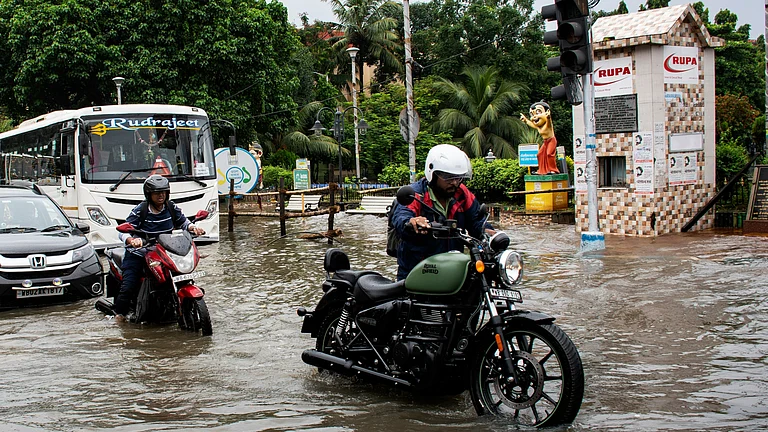
Commitment to Climate Action
Underscoring the rise in allocations, Sitharaman said, “India has increased its commitment to climate action. We were at something like 3.7% of our GDP six years ago…but today, we are somewhere close to 5.6%. So more than doubled in a matter of six years.”
She further stated that India had already put money on the table. “We have invested the funds. We are not waiting for financing and technology to come from elsewhere but they must come,” she said, as quoted by PTI.
Advertisement
While acknowledging that global technology transfers and financial flows remain important, she stressed that India has moved ahead with its own resources to achieve its nationally determined commitments (NDCs).
She also pointed out that many African nations may find it difficult to match such levels of spending due to economic constraints.
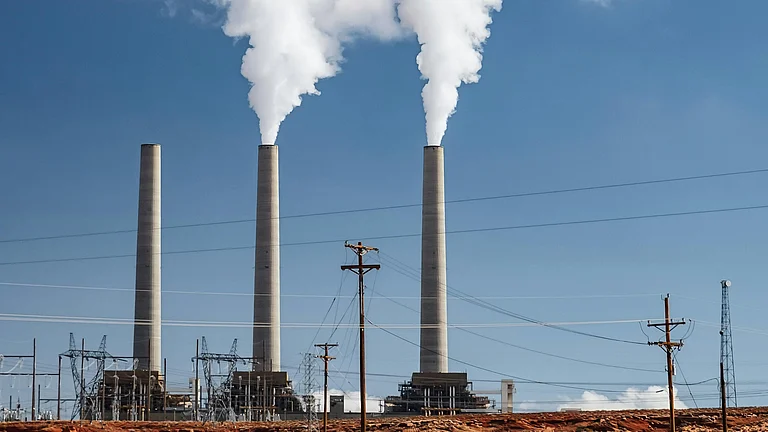
Focus on Adaptation and Fairness
The finance minister argued that climate policy must go beyond emission cuts. Equal weight, she said, should be given to resilience and adaptation to avoid severe consequences for people and livestock.
“As much attention we give for the emission control, we need to look at resilience and adaptation. Otherwise, you’re going to sacrifice a lot,” she said.
She added that “technologies will have to talk to each other” and cautioned that no country can claim to have found a perfect solution to climate change.
Advertisement
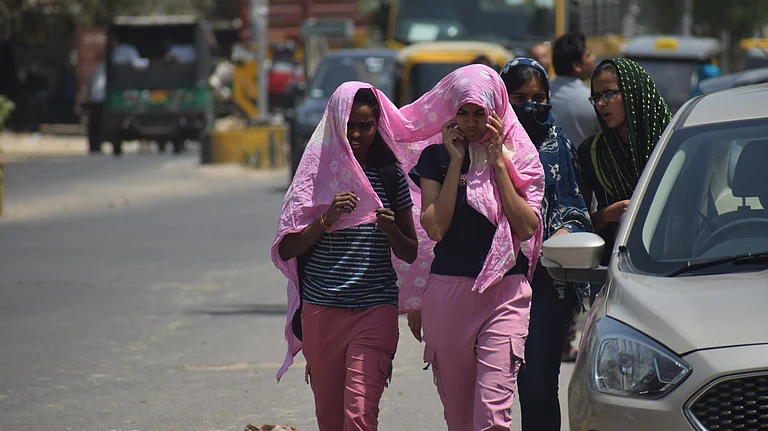
Climate Budget on Rise
India's climate investment is in line with its revised Nationally Determined Contributions, which include increasing the capacity of non-fossil power sources and reducing emissions intensity of GDP by 45% by 2030.
Increased public investment in renewable energy, green hydrogen, and adaptation measures is noted in the Economic Survey and UNFCCC submissions, indicating stronger domestic climate financing commitments.
(With inputs from PTI.)